Operation Quick Anger Commemoration 2019: After the Battle of Arnhem in September 1944, one of the greatest defeats suffered by the Allied forces during the Second World War, the northern part of the Netherlands remained under Nazi German occupation until 5 May 1945. In the spring of 1945, the Western Allied forces launched several operations to liberate the north of the Netherlands; two of them were Operation Quick Anger and Operation Cannonshot. Operation Quick Anger, also known as the Second Battle of Arnhem, marked the beginning of the liberation of the northern part of the Netherlands. The First Canadian Army played a crucial role in the liberation of the country. After the Second Canadian Corps had secured the eastern banks of the River IJssel, Operation Quick Anger started on 12 April 1945.
The Allies crossed the IJssel from the east, a branch of the Rhine, at Westervoort. To liberate Arnhem, an enormous Allied military force was gathered at the small village of Westervoort on the east bank of the River IJssel. Arnhem is situated on the opposite bank of the river. The operation was led by the 49th British 'Polar Bear' Infantry Division, supported by the 5th Canadian Armoured Division, the Royal Air Force and boats of the Royal Navy. The first troops crossed the IJssel in amphibious vehicles; within 11 hours, the Allied forces had constructed a temporary bridge and thousands of military vehicles crossed the river to liberate Arnhem. On 14 April 1945, Arnhem was liberated, and within a month the rest of the Netherlands followed. The Second Battle of Arnhem, in which the village of Westervoort played an important role, has never received as much publicity as the lost Battle of Arnhem in September 1944.
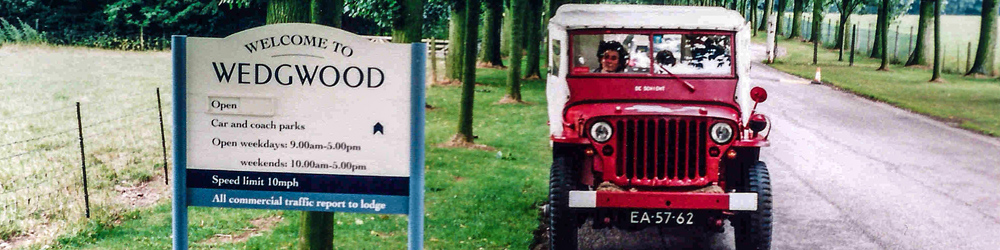
In April 2019, we took part in the memorial tour and commemoration ceremony of Operation Quick Anger. Authentic military vehicles and their owners gathered at Huis Vredenburg in Westervoort for the Operation Quick Anger memorial tour. In our Ford Jeep, alongside the other Second World War vehicles, we drove through the Liemers and the Achterhoek, rural regions east of the River IJssel. The tour ended at the Crossing to Liberation Monument on the east bank of the IJssel at Westervoort, where we attended the memorial and wreath-laying ceremony. This Second World War monument is set at the exact spot where the Western Allies crossed the river in 1945 to liberate Arnhem; it is one of the many monuments on the Liberation Route Europe.
Since 2011, the commemoration ceremony at the monument has been held annually to remember the contribution of the soldiers during Operation Quick Anger. In the Netherlands, and even in Westervoort itself, it is relatively unknown that the village played such an important role during the liberation of the country. During the liberation of the Netherlands, more than 7,600 Canadian soldiers were killed; they are buried in military war cemeteries across the Netherlands. The Groesbeek Canadian War Cemetery is the largest Canadian war cemetery in the Netherlands; it holds the graves of 2,339 Canadian and 276 British soldiers.
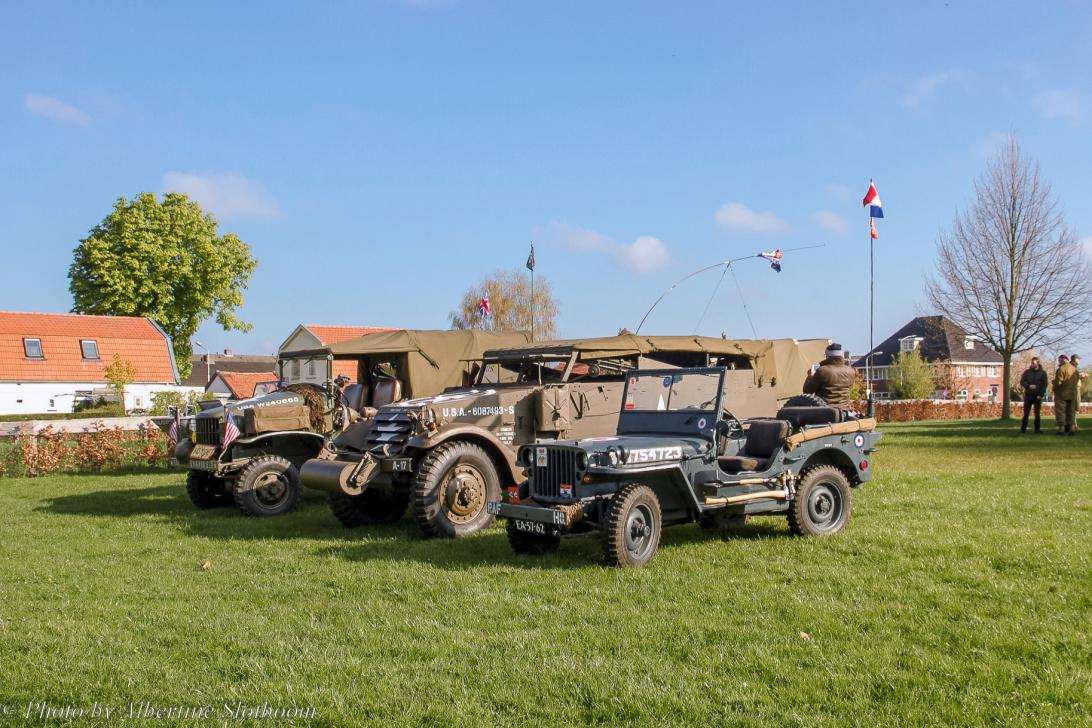
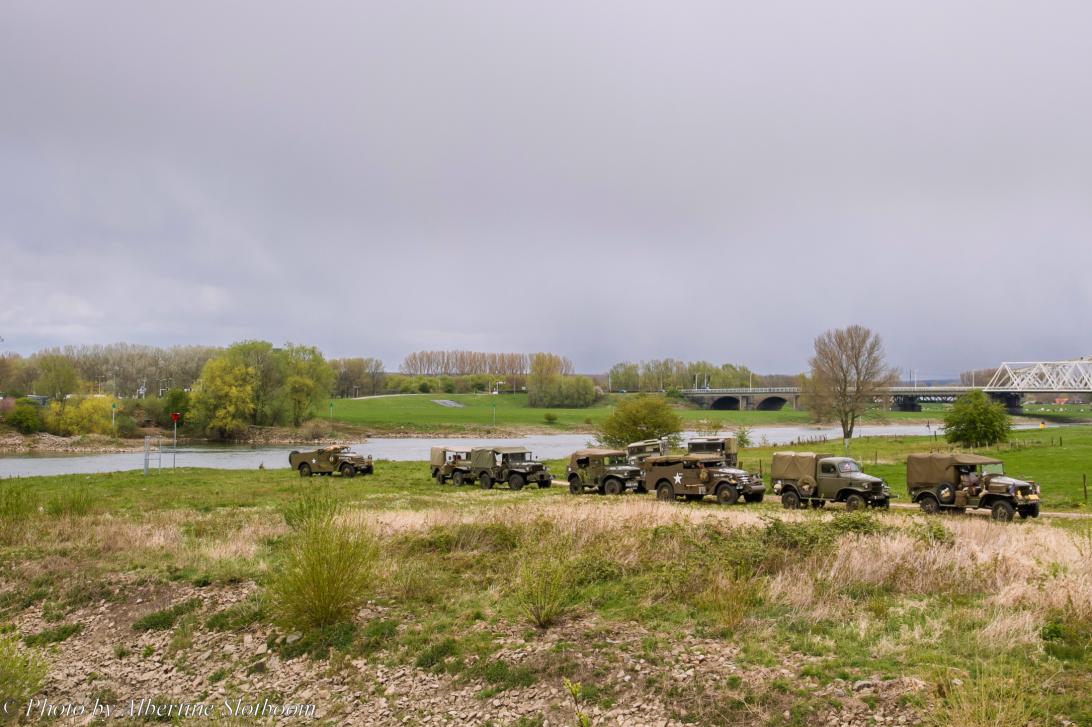
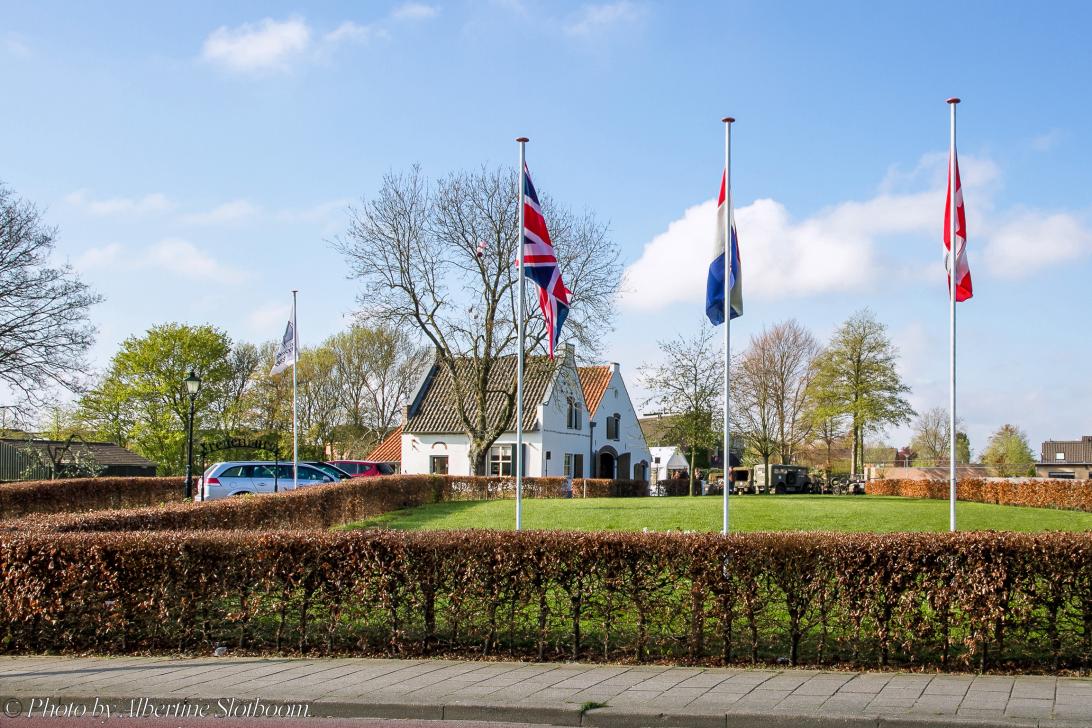
Operation Quick Anger Commemoration 2019: WWII military vehicles gathered at Huize Vredenburg in the Dutch village of Westervoort for the 2019 memorial tour, which preceded the commemorative ceremony. In the spring of 1945, Operation Quick Anger – also known as the Second Battle of Arnhem – marked the beginning of the liberation of the western and northern parts of the Netherlands.
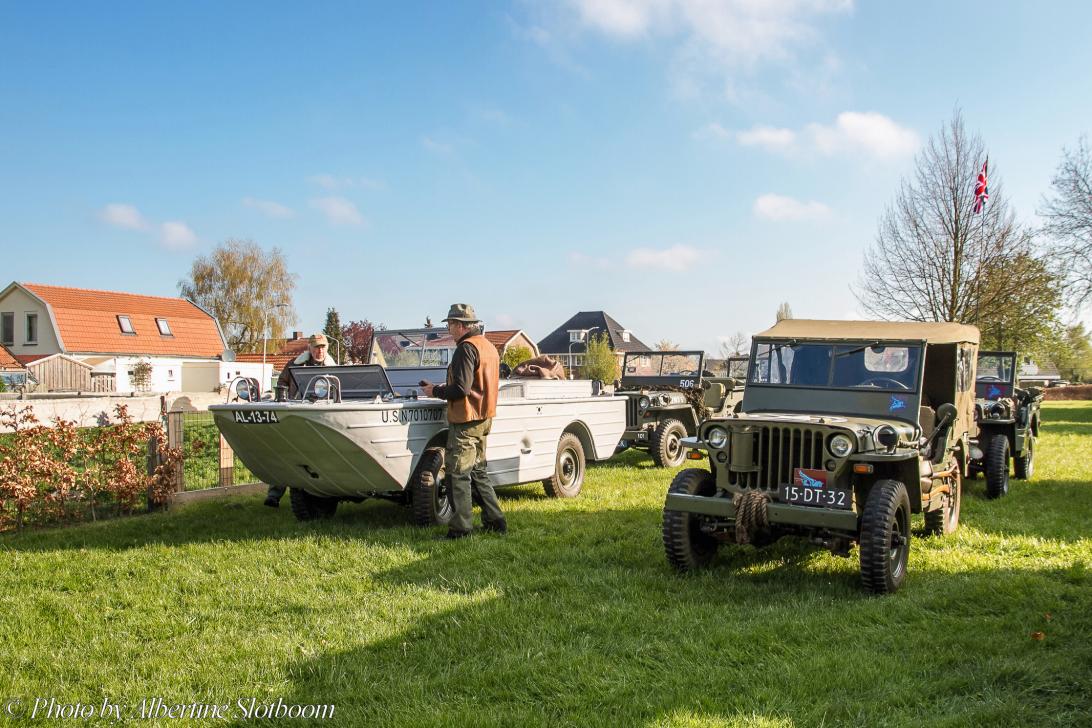
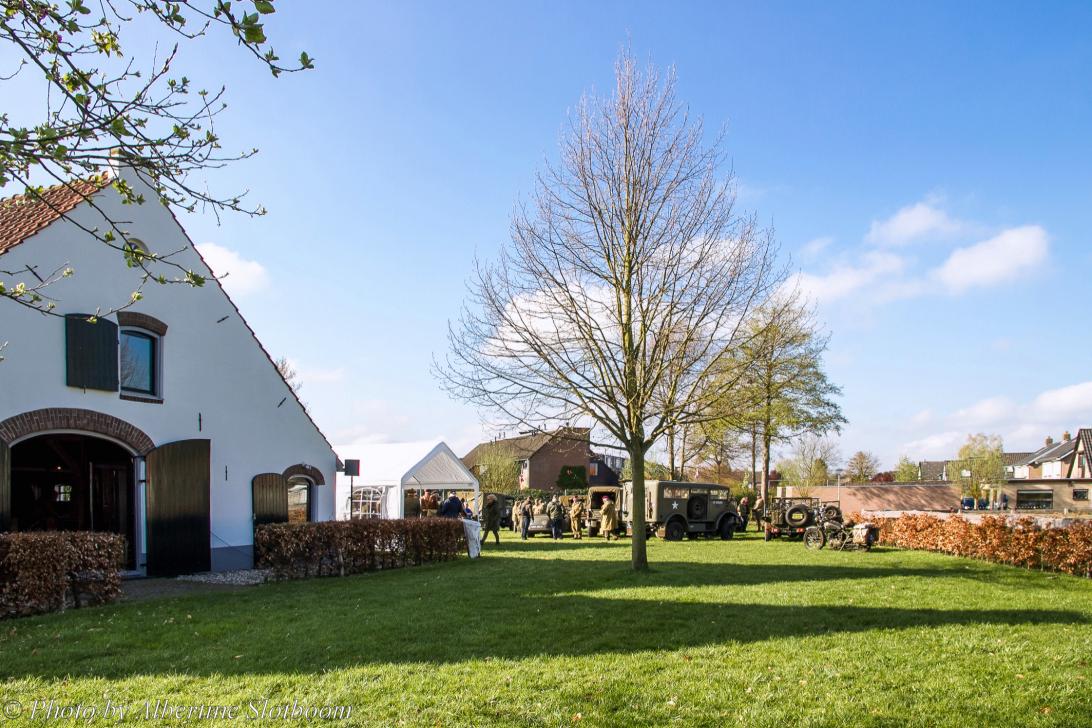
Operation Quick Anger Commemoration 2019: WWII military vehicles gathered at Huize Vredenburg in the Dutch village of Westervoort for the 2019 memorial tour, which preceded the commemorative ceremony. In the spring of 1945, Operation Quick Anger – also known as the Second Battle of Arnhem – marked the beginning of the liberation of the western and northern parts of the Netherlands.
Operation Quick Anger Commemoration 2019: The first World War II vehicles, including a Ford GPA Jeep, were lined up early at Huize Vredenburg in Westervoort, ready to take part in the Operation Quick Anger memorial tour. A Ford GPA Jeep is the amphibious version of the Ford GPW Jeep. This unusual vehicle is also known as the 'Seep'. During WWII, 12,778 Seeps were constructed. This amphibious vehicle was tested around the Ford factories in Michigan and first deployed operationally in Sicily.

Operation Quick Anger Commemoration 2019, Huize Vredenburg in Westervoort: In April 2019, more than 30 WWII military vehicles took part in the memorial tour for Operation Quick Anger. In early April 1945, towards the end of WWII, Quick Anger was an Allied military operation to seize Arnhem. Canadian and British troops under Canadian command crossed the Rhine near Emmerich and advanced towards Westervoort. This assault itself started on 12 April 1945.

Operation Quick Anger Commemoration 2019: Just like in previous years, the Operation Quick Anger memorial tour started at Huize Vredenburg in the Dutch village of Westervoort. Before Operation Quick Anger started on 12 April 1945, an enormous Western Allied military force gathered in this small village on the east bank of the River IJssel. More than 20,000 soldiers and over 2,000 vehicles – including those of the Polar Bear Division – gathered in Westervoort.

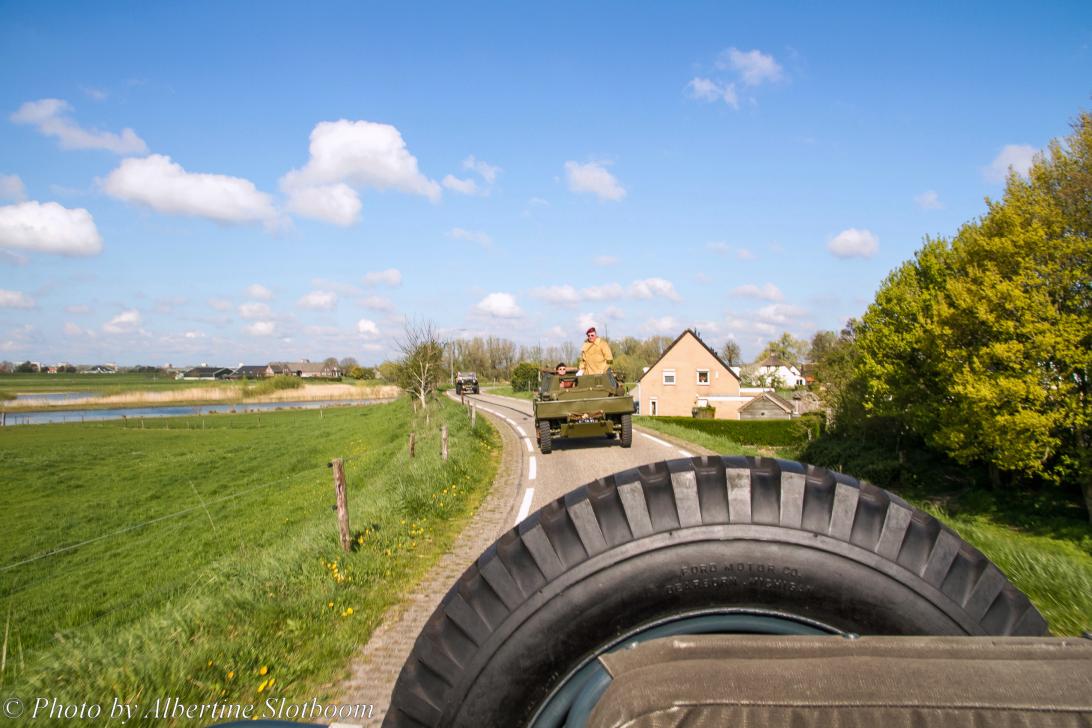
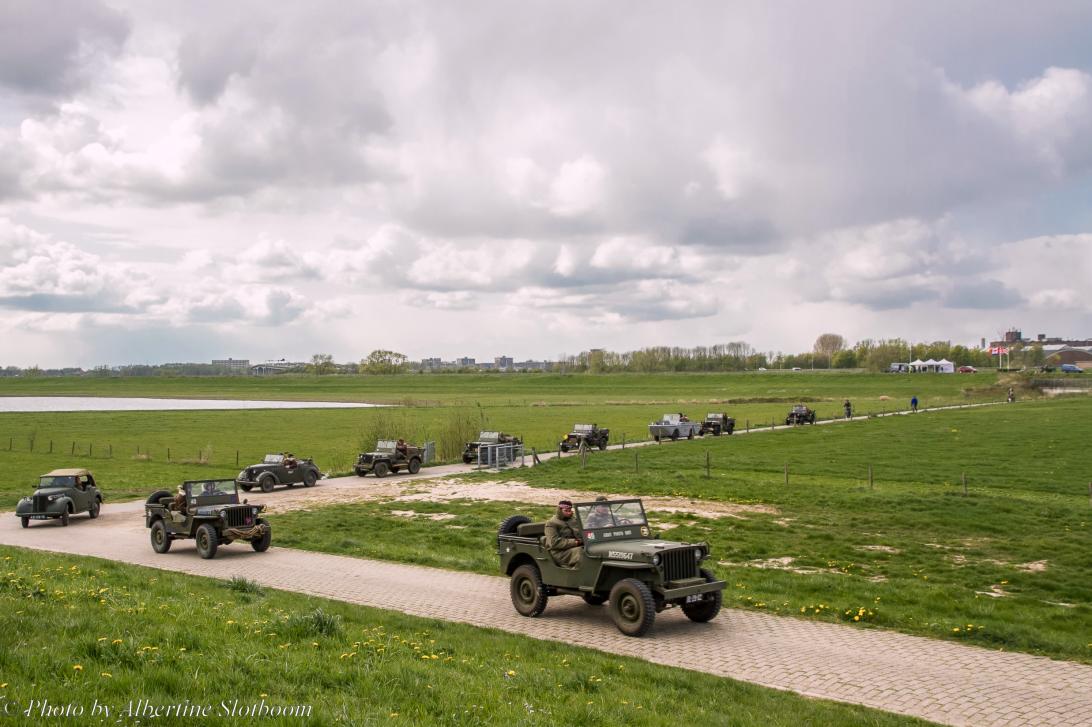
Operation Quick Anger Commemoration 2019: A WWII Daimler Dingo and a WWII Jeep driving on a narrow dyke road near Westervoort in the Netherlands. In the foreground, the huge spare wheel on the back of a Ford Jeep. Westervoort is situated on the east bank of the River IJssel, directly opposite Arnhem – which lies on the northern bank of the Rhine – precisely at the point where these rivers diverge. This point is called the 'IJsselkop'. During Operation Quick Anger, the Allies crossed the IJssel from Westervoort to Arnhem.

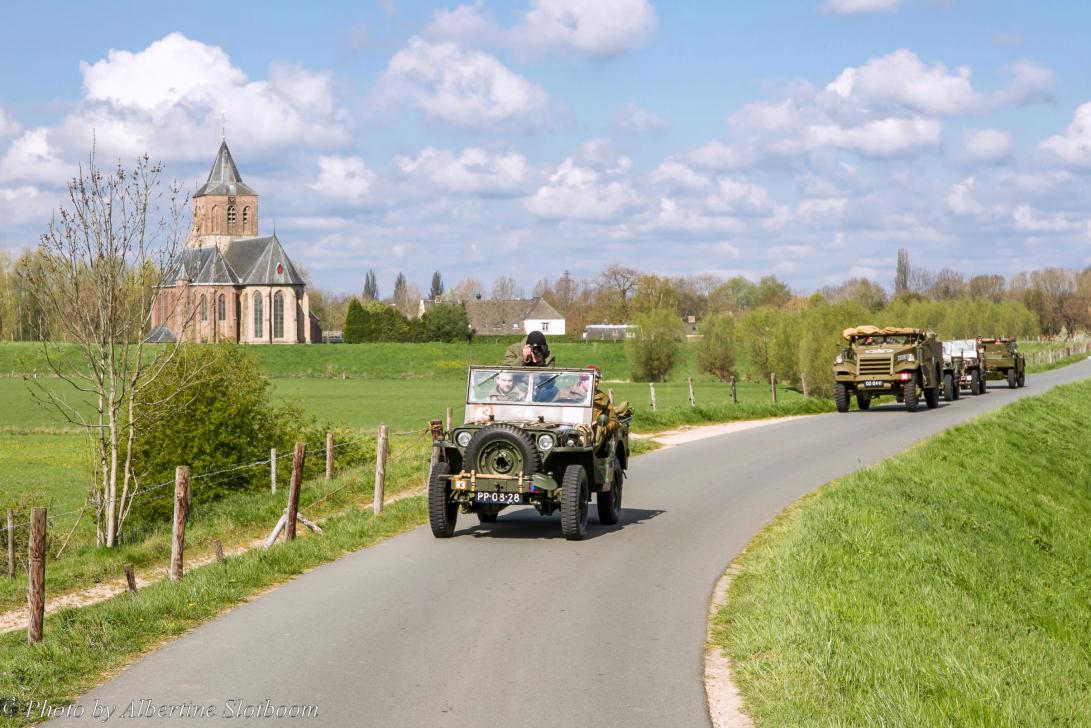
Operation Quick Anger Commemoration 2019: WWII military vehicles on the dyke road near Oud-Zevenaar, with St Martin's Church in the background. The village is situated in the Dutch province of Gelderland near the German border. In February 1945, the residents were forced to evacuate by the German occupiers. The Canadians liberated Oud-Zevenaar on 3 April 1945, a few days before the beginning of Operation Quick Anger. The residents returned to their looted homes in June 1945.

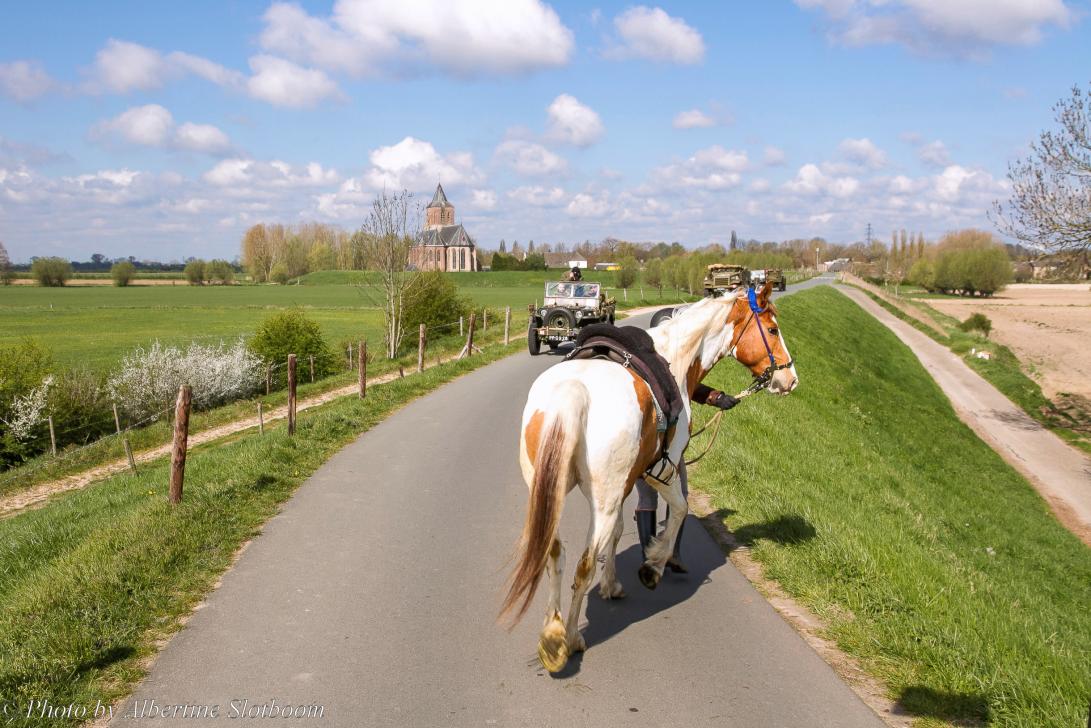
Operation Quick Anger Commemoration 2019: During the Operation Quick Anger memorial tour, an extremely nervous horse and its owner were walking at the foot of the dyke. The animal was not under adequate control and suddenly leapt up the dyke, bolting between the convoy of WWII vehicles. Because the vehicles were brought to an immediate halt, accidents were fortunately avoided, and the handler was able to calm the animal down.

Operation Quick Anger Commemoration 2019: Operation Quick Anger Memorial Tour 2019, driving in our own Ford Jeep through the bocage landscape of the Liemers and the Achterhoek regions in the Netherlands. In the Liemers, the 3rd Canadian Infantry Division – known as the Water Rats – cleared the way for the troops advancing from Emmerich towards Westervoort. They also liberated several villages in the area.

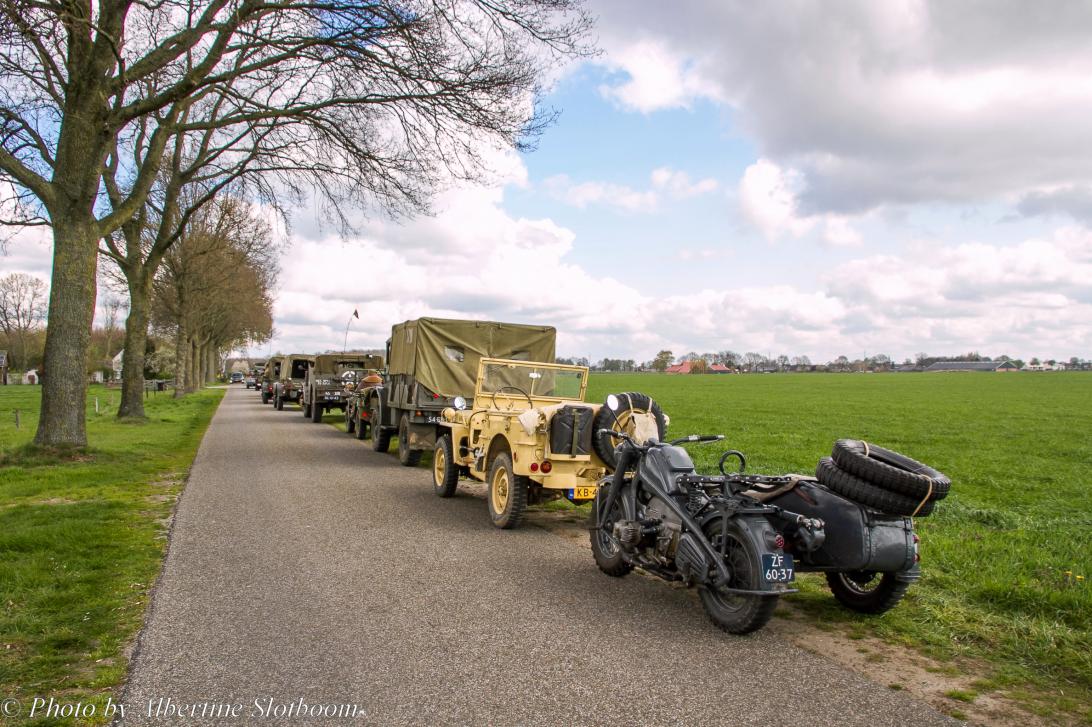
Operation Quick Anger Commemoration 2019: During the Operation Quick Anger Memorial Tour, the convoy of more than 30 restored WWII military vehicles made a short pause, pulling up on the side of a rural road. During the WWII battles in the deserts of North Africa, Allied military vehicles were painted yellow as camouflage, just like the yellow Jeep in the convoy. The last vehicle in the convoy is a Zündapp KS 750. These motorcycles were used by the German Wehrmacht during WWII.

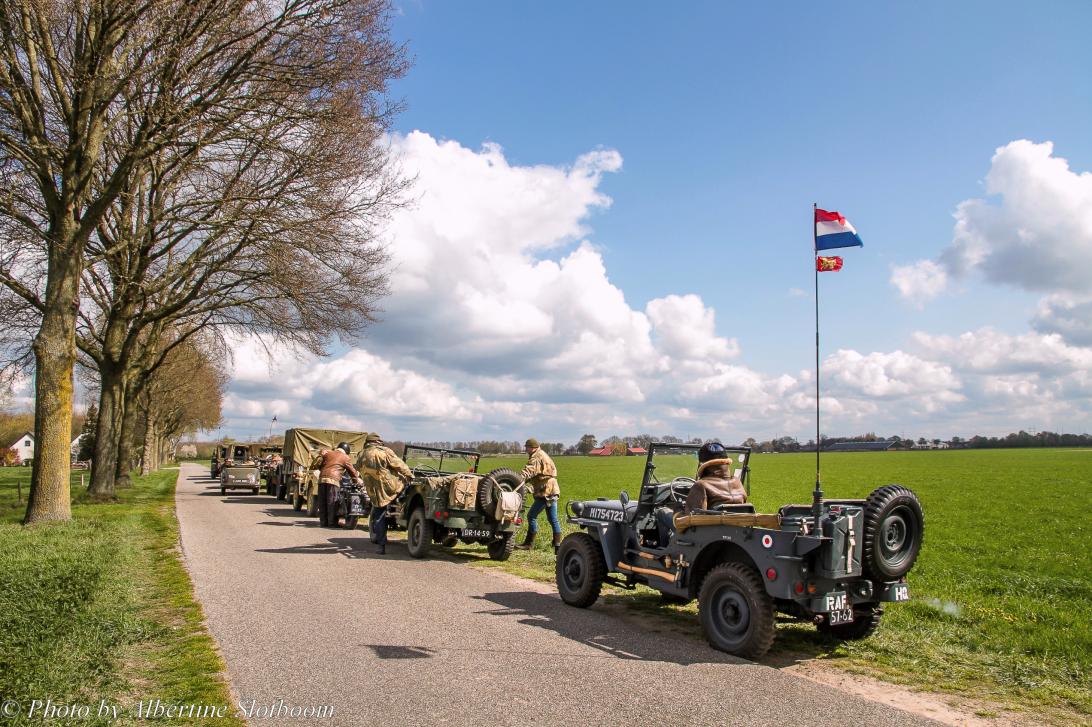
Operation Quick Anger Commemoration 2019: After a brief break along a country lane during the Operation Quick Anger memorial tour, we continued driving through the landscapes of the Liemers and the Achterhoek – regions along the border with Germany. The last vehicle in the convoy is our 1942 Ford GPW Jeep. In the final months of World War II, the inhabitants of this now idyllic region were forced to leave their homes due to the violence of war.

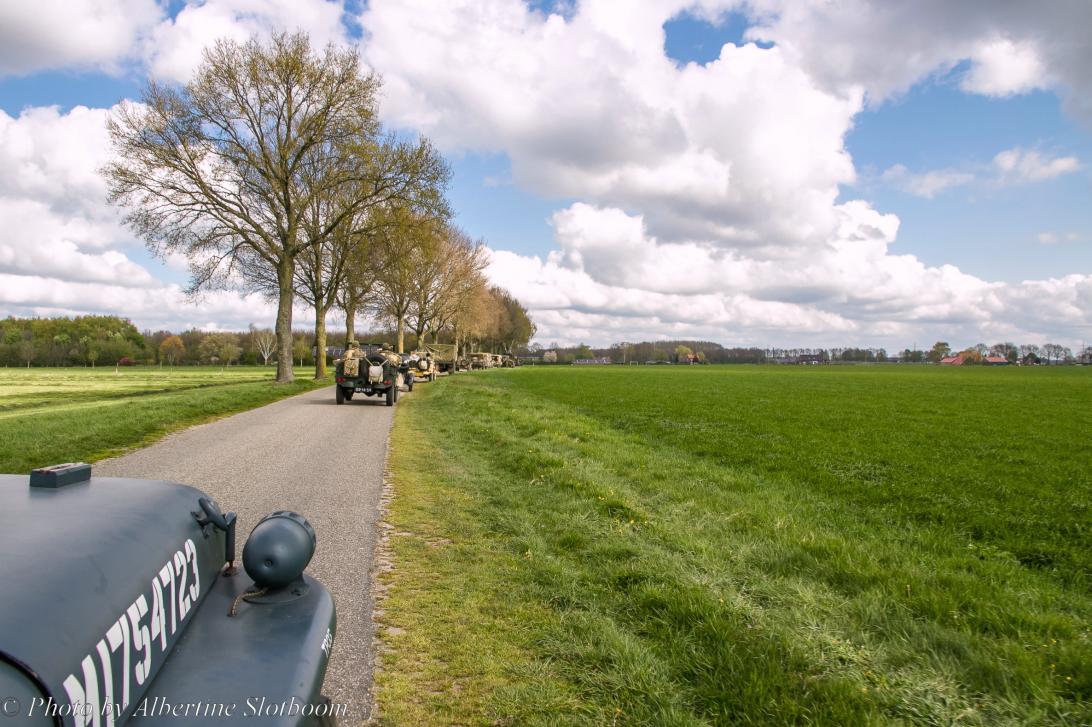
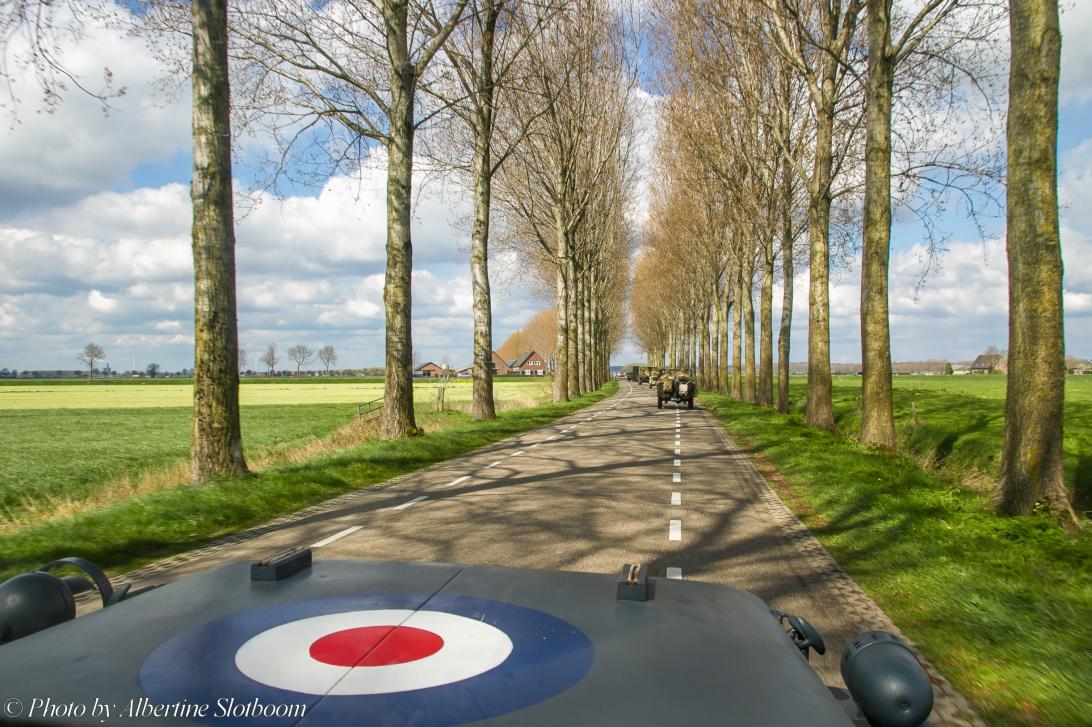
Operation Quick Anger Commemoration and Memorial Tour 2019: The bonnet of our own Ford GPW Jeep while driving through the Liemers, a rural region in the Netherlands east of the River IJssel. When the Allied forces invaded Europe in June 1944 to liberate Nazi-occupied Europe, they used vehicles, such as Jeeps. Our 1942 RAF Jeep was one of these legendary vehicles. The Operation Quick Anger memorial tour commemorates the Allied soldiers who fought for our freedom.

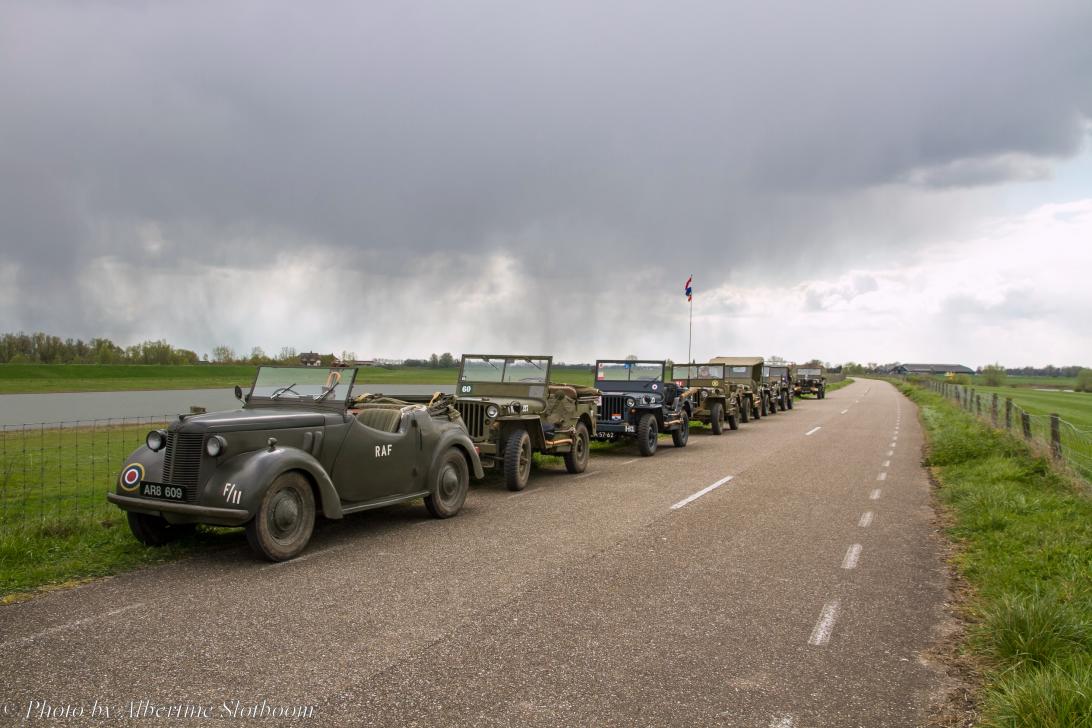
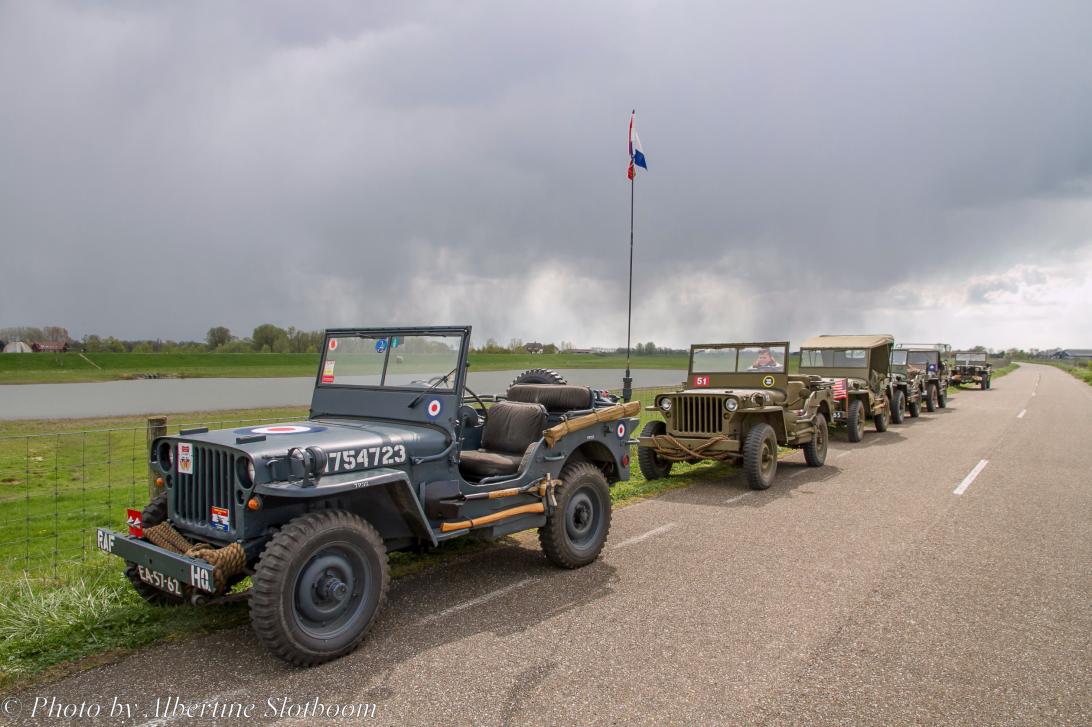
Operation Quick Anger Commemoration 2019: A convoy of WWII military vehicles on the small IJssel dyke road near the Crossing to Liberation monument at Westervoort. The leading car in the convoy is an Austin 8 HP Tourer RAF staff car. Vehicles of this type were used on a large scale by officers during WWII, as well as for courier services.

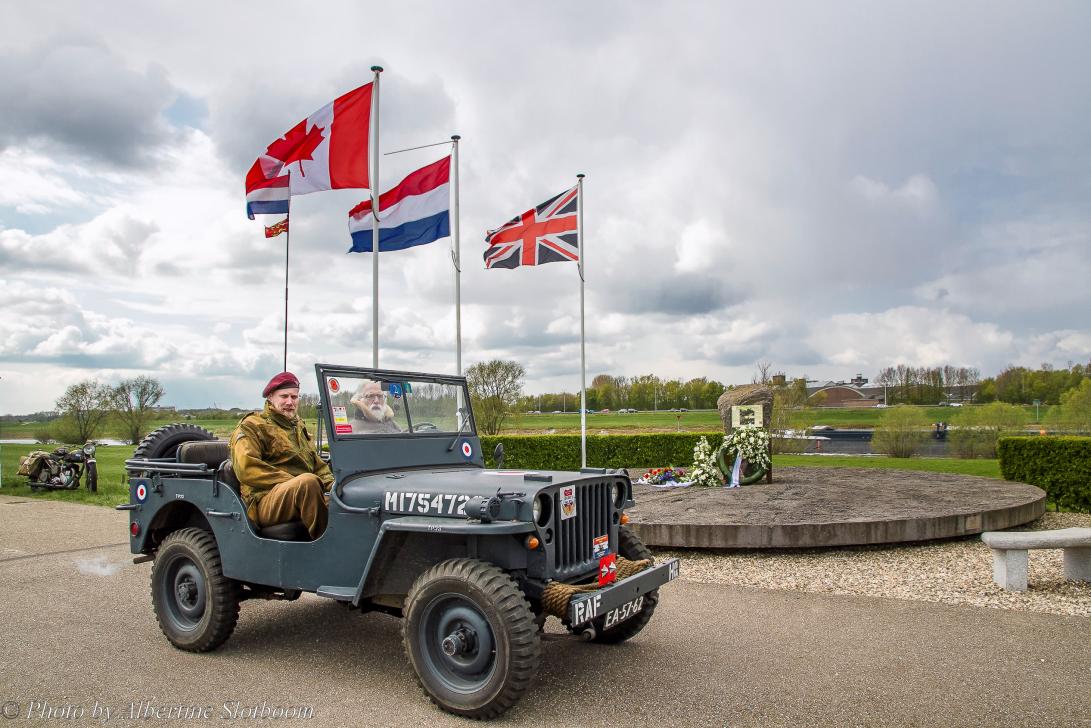
Operation Quick Anger Commemoration 2019: Dark clouds hover over a convoy of WWII Jeeps. These vehicles had gathered on the dyke road near the Crossing to Liberation monument at Westervoort. Our own Royal Air Force blue Jeep was constructed in 1942 and landed on Juno Beach in 1944, a few weeks after D-Day. We consider these original military vehicles to be a tribute to and in memory of the veterans of WWII.

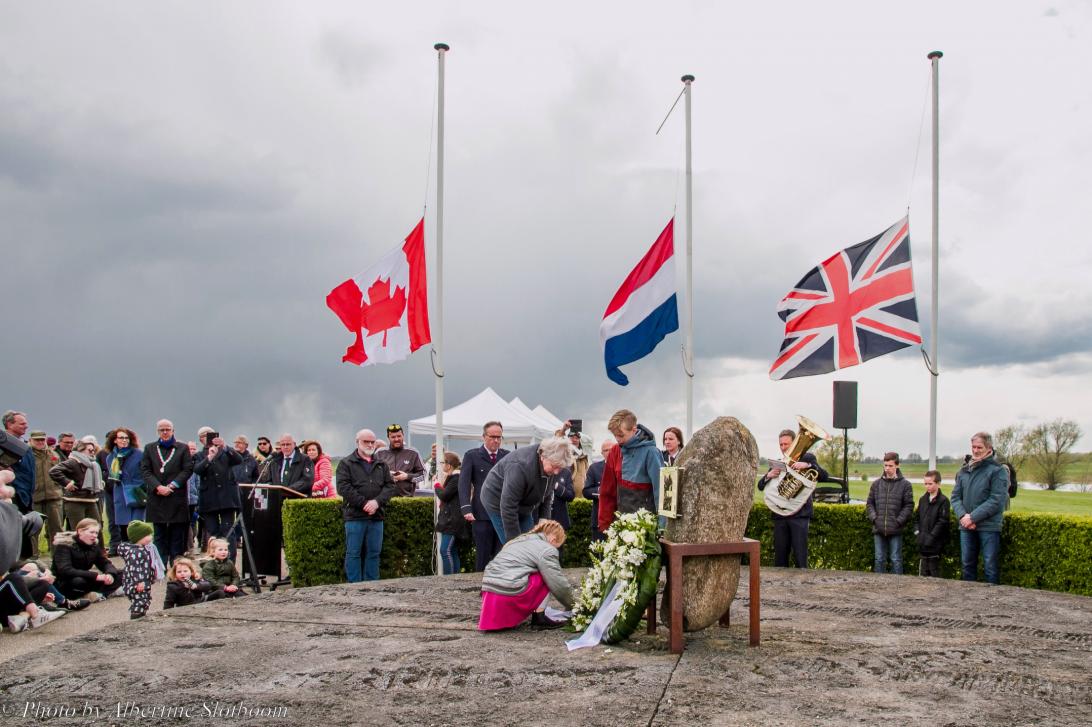
Operation Quick Anger Commemoration 2019: The wreath-laying ceremony at the Crossing to Liberation monument at Westervoort. Every year, children from a local school participate in the wreath-laying and the flag ceremony. During the commemoration, the national flags of Canada, Great Britain and the Netherlands fly at half-mast in memory of the soldiers who died during Operation Quick Anger. After the playing of the Last Post, two minutes of silence are observed.

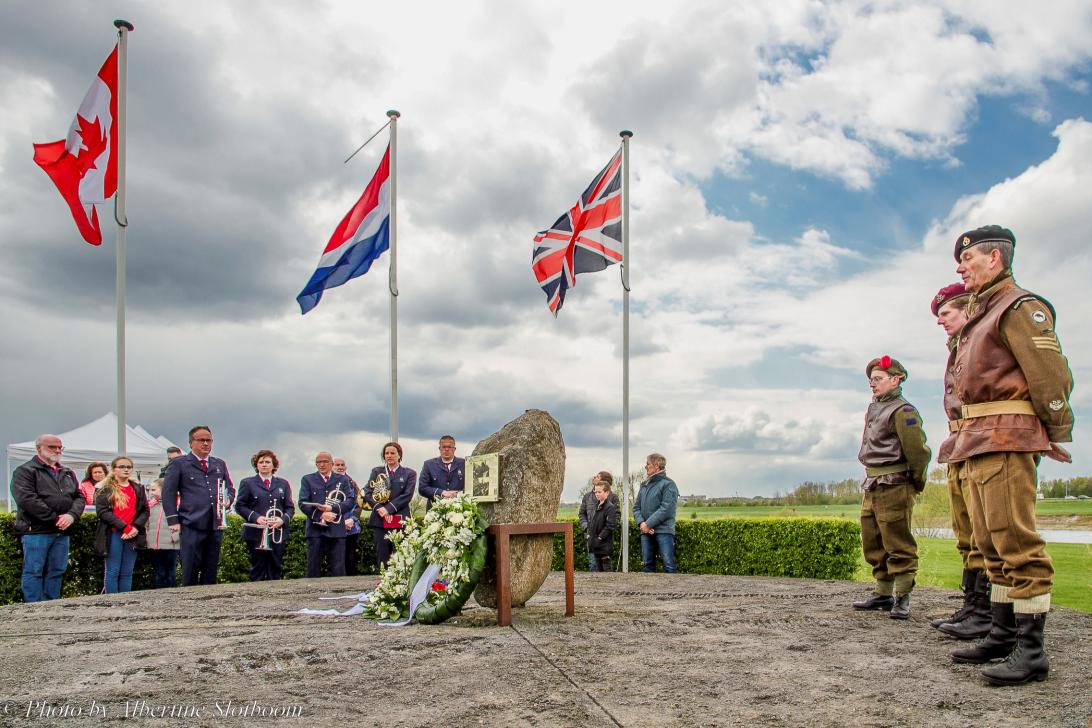
Operation Quick Anger Commemoration 2019: The memorial ceremony at the Crossing to Liberation Monument at Westervoort. After a moment of silence was observed, the national flags of Canada, Great Britain and the Netherlands were raised from half-mast to the masthead. This was done by local children together with an adult. The national anthems of the respective countries were played while the flags were being raised.

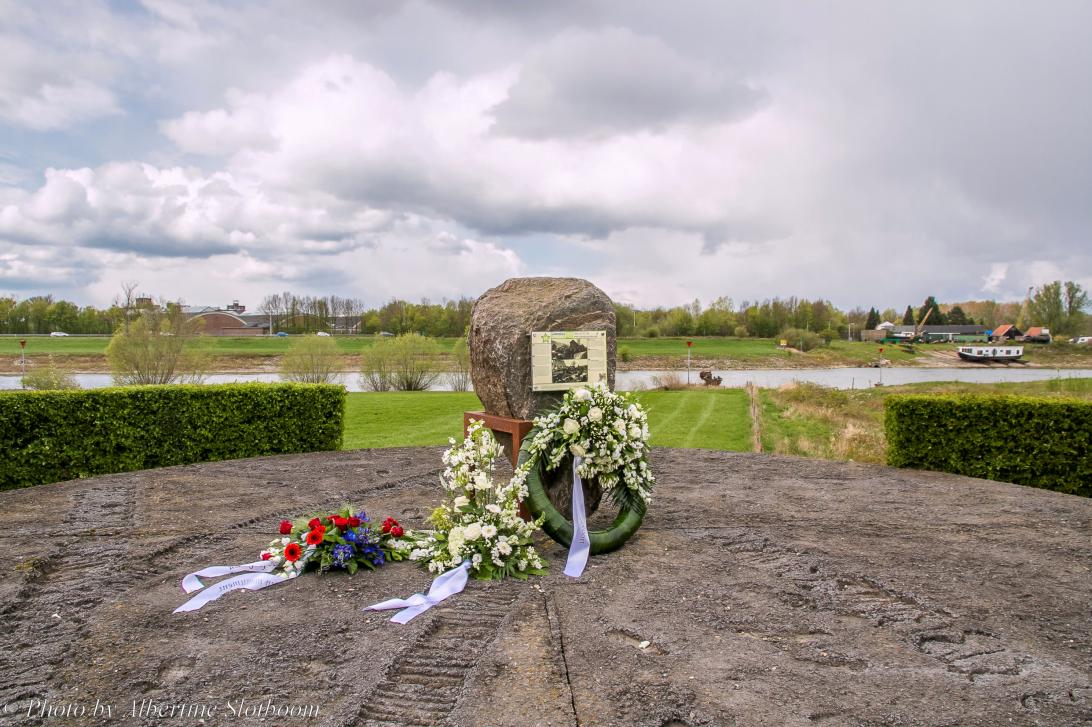
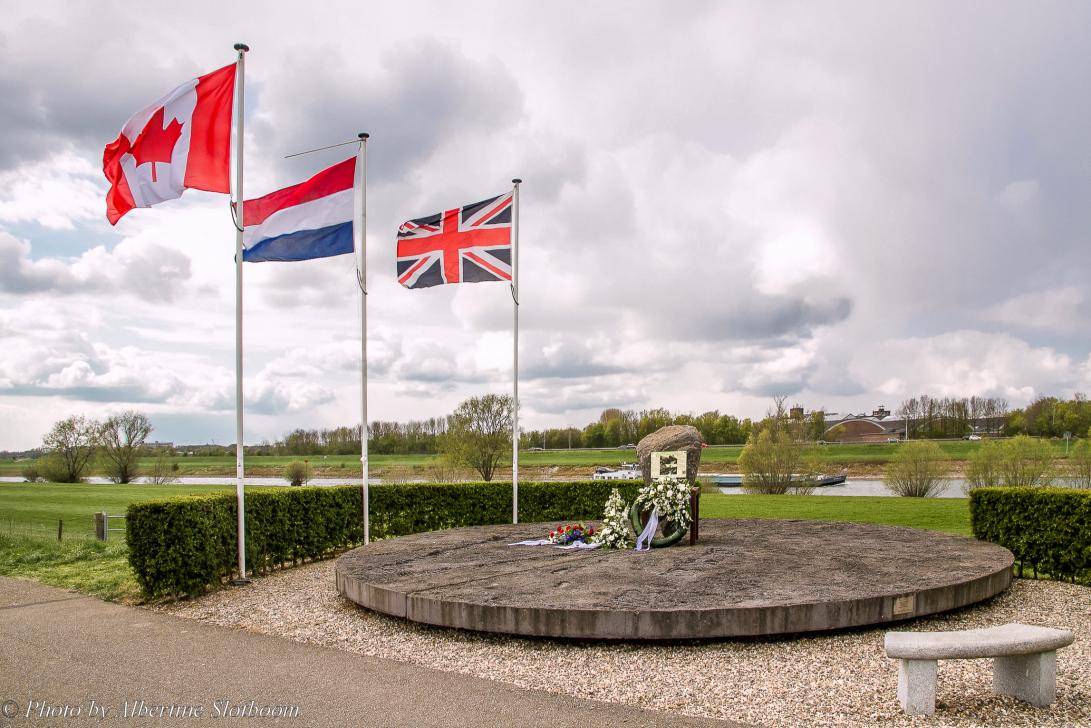
Operation Quick Anger Commemoration 2019: The Crossing to Liberation monument on the east bank of the IJssel, with the river flowing quietly in the background. The war monument is located near Westervoort close to the IJsselkop – the point where the Rhine and IJssel rivers split – with Arnhem situated on the opposite bank. Since 2011, a memorial ceremony has been held annually at this monument to commemorate the contribution of the soldiers during Operation Quick Anger.

Operation Quick Anger Commemoration 2019: Authentic WWII military vehicles on the spot where the Western Allied forces crossed the IJssel in 1945 to liberate the city of Arnhem. In the background, the bridge across the River IJssel at Westervoort. Operation Quick Anger is also known as the Second Battle of Arnhem or as the Liberation of Arnhem. Originally, this operation was planned for Driel, but that plan was abandoned; the risks there were much higher.

Operation Quick Anger Commemoration 2019: The Crossing to Liberation monument on the east bank of the IJssel at Westervoort. In the background, a barge on the river can be seen. This war monument is situated at the spot where the Allied forces crossed the river, nearby the IJssel Bridge. The monument lies on the Liberation Route Europe, an enormous international network of commemorative routes tracing the advance of Western Allied troops.

Operation Quick Anger Commemoration 2019: Our 1942 Ford GPW Jeep at the Crossing to Liberation monument, with the River IJssel and the modern Pley Bridge in the background. Even in the Netherlands, it is relatively unknown that the small village of Westervoort in the Liemers region played a crucial role during the last days of WWII and the liberation of the Netherlands.

Operation Quick Anger Commemoration 2019: The Operation Quick Anger memorial tour ended at the Crossing to Liberation monument. After the ceremony at the monument, the convoy of WWII vehicles drove back through the floodplains towards the village of Westervoort. In the background the flags of Canada, Great Britain and the Netherlands at the monument.