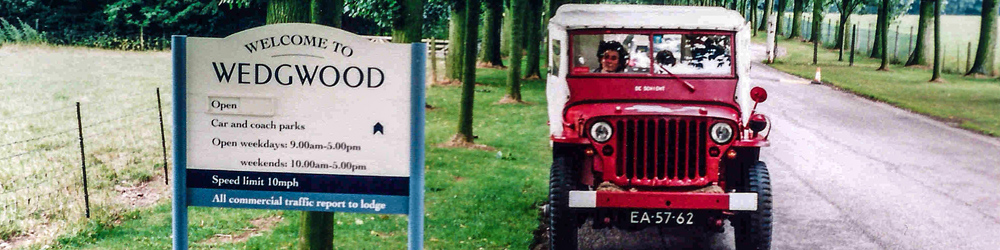
The Stuyvesant Tour is a non-competitive day tour in and around Weerribben-Wieden National Park, the largest peat bog and wetland area in North-West Europe. This unique landscape is situated in the northern part of Overijssel, near the border with Friesland. The tour is named after Peter Stuyvesant, who was born in this part of the Netherlands, in the tiny village of Peperga. He was the last director-general of the former colony of New Netherland, whose capital, New Amsterdam, is now known as New York City.
Organised by the Mini Seven Club Nederland – a club for Classic Minis and New MINIs – the Stuyvesant Tour is open to both Mini generations. The route took us past several historical landmarks and through the scenic landscape of reeds and pools. After the tour, we visited a number of notable sites in this part of the Netherlands, including several buildings in the former Colonies of Benevolence and the imposing Wouda Steam Pumping Station, the largest steam-driven pumping station still operating in the world. We completed this road trip in our own classic Mini, a 1974 Mini Authi.
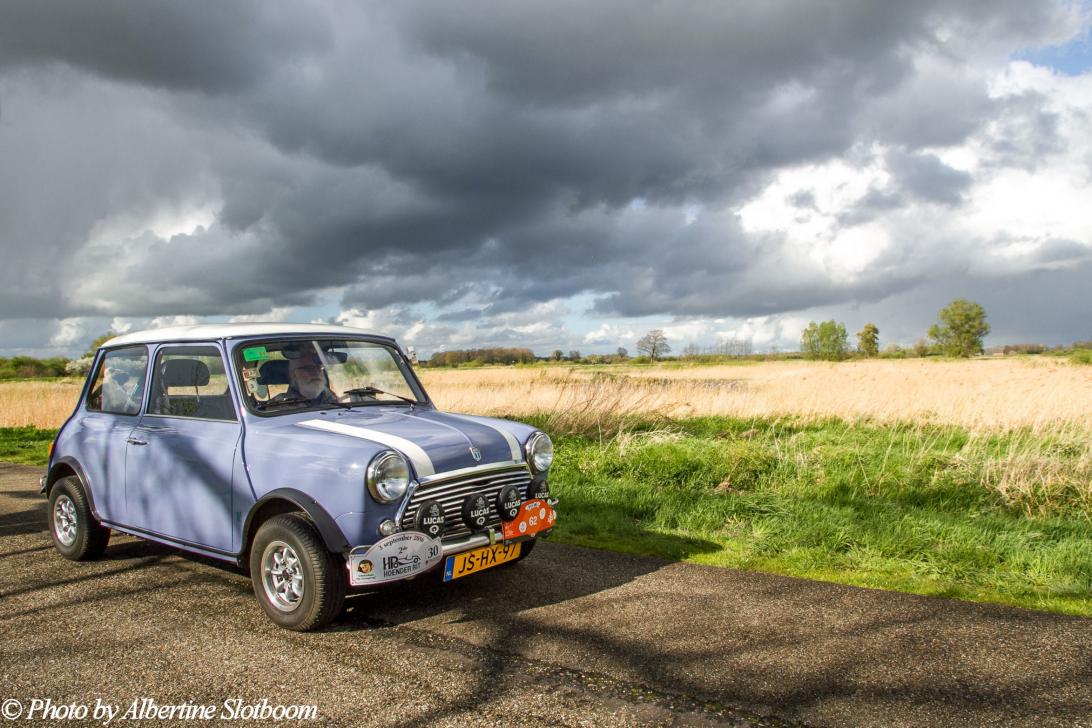
Driving in our own Mini Authi around the Weerribben-Wieden National Park during the Stuyvesant Tour. This is a non-competitive day tour for classic Minis and New MINIs. It started in the tiny village of Nijetrijne in Friesland, a province in the northern part of the Netherlands, and finished after 95 km in the village of De Blesse near Peperga, the birthplace of Peter Stuyvesant. The church of this small village was later named after this famous Dutchman.
Driving in our own Mini Authi around the Weerribben-Wieden National Park during the Stuyvesant Tour. This is a non-competitive day tour for classic Minis and New MINIs. It started in the tiny village of Nijetrijne in Friesland, a province in the northern part of the Netherlands, and finished after 95 km in the village of De Blesse near Peperga, the birthplace of Peter Stuyvesant. The church of this small village was later named after this famous Dutchman.
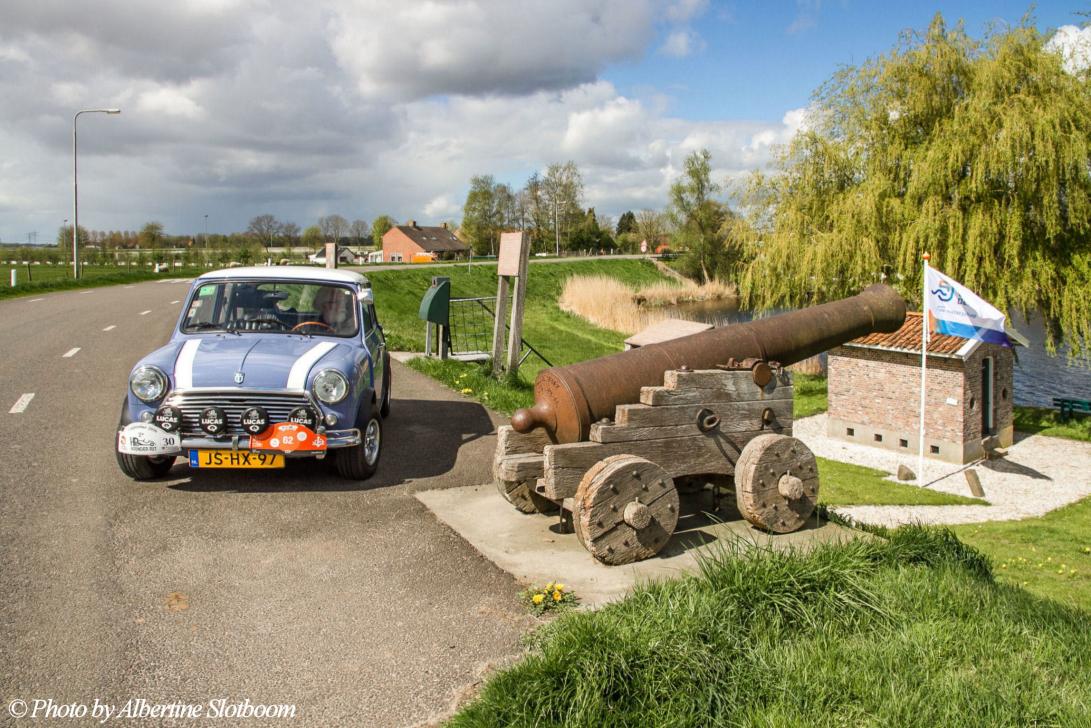
Stuyvesant Mini Tour: Our own Mini Authi on the dyke road at the village of Blankenham in Overijssel, a province in the Netherlands. The cannon was used as a warning system; one shot signalled high water; two shots meant a possible dyke breach, and three shots indicated an actual dyke breach. The small building at the foot of the dyke was used for the safe storage of gunpowder.

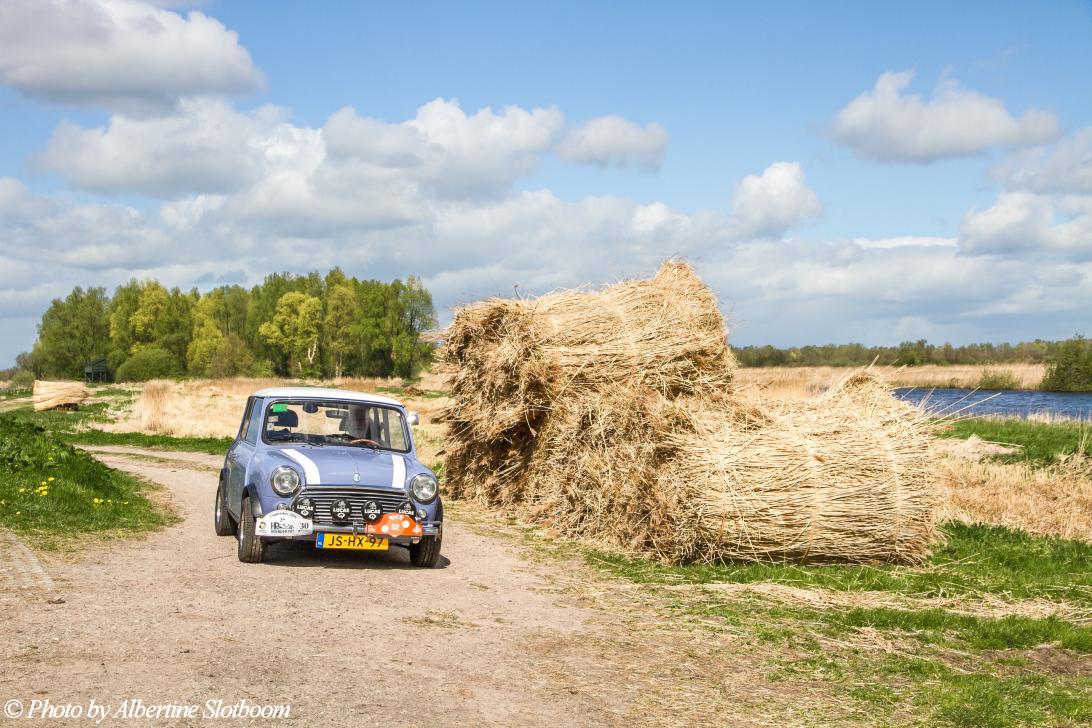
Stuyvesant Mini Tour: Our own lavender-blue Mini Authi next to a few bundles of harvested reeds. Driving through the Weerribben-Wieden was a real adventure. The Weerribben-Wieden is a national park in the Netherlands; this unique man-made landscape is the result of centuries of peat excavation and reed harvesting.

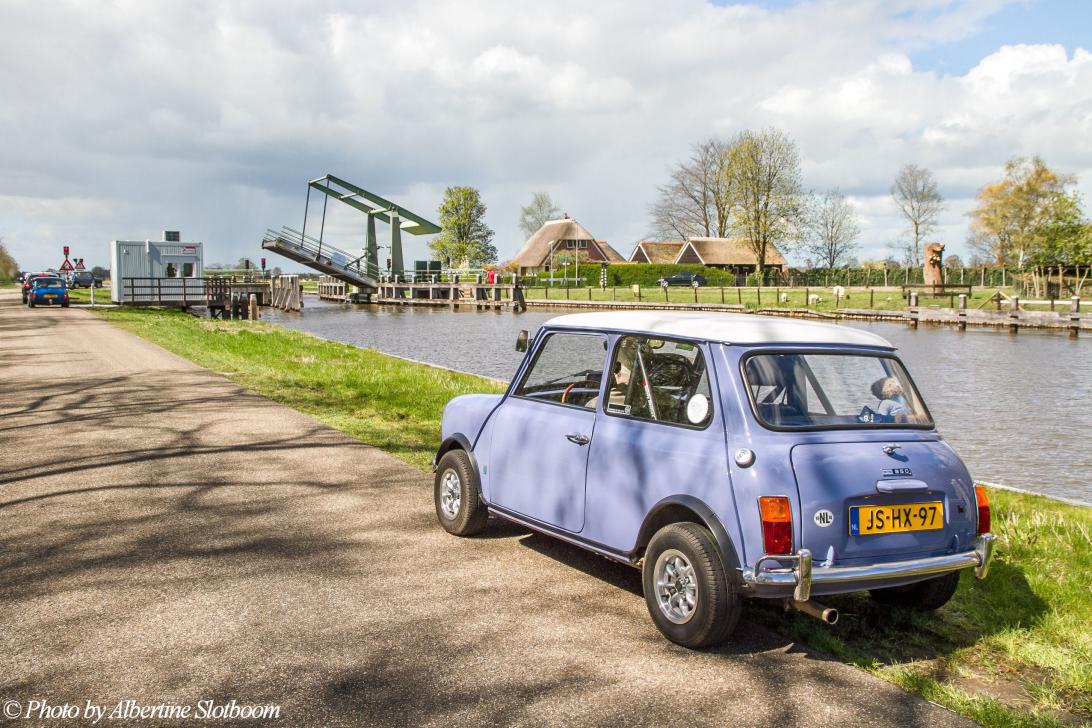
The Stuyvesant Tour: A one-day road trip around the Weerribben-Wieden. Our own Mini Authi waiting for the Meenthebrug to open. This drawbridge spans the Steenwijk-Ossenzijl Canal. This canal, which is 11.8 kilometres long, runs along the border of the Weerribben-Wieden National Park and was dug between 1926 and 1928 to connect the waters around Steenwijk and the Frisian waters.

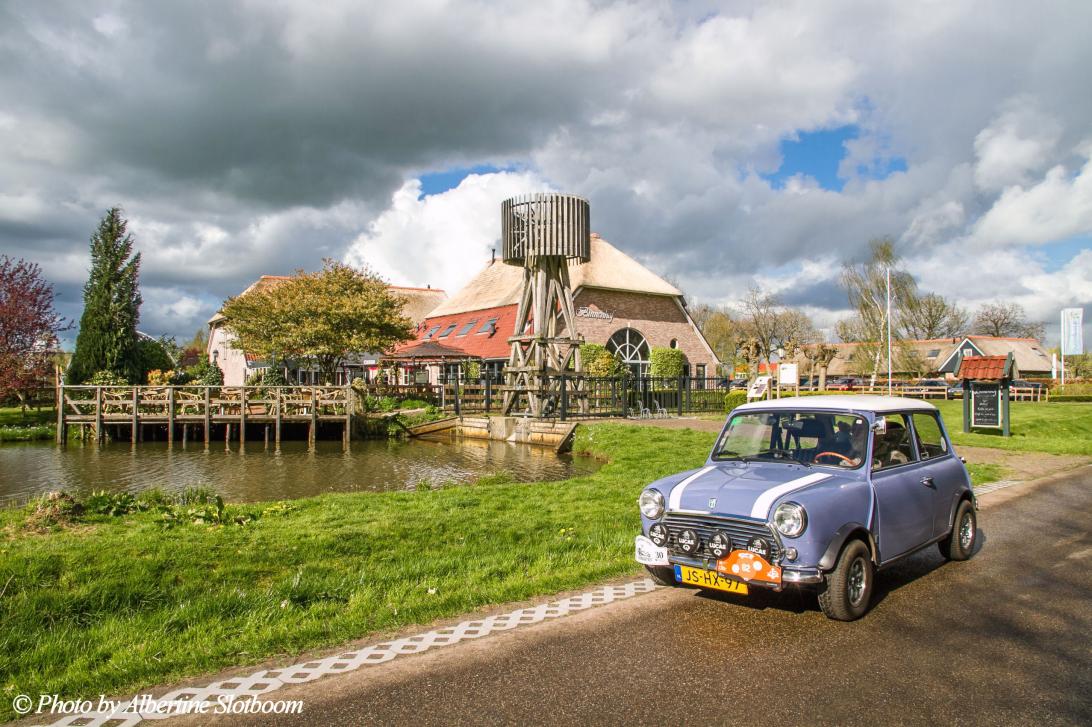
Stuyvesant Tour: Our own Mini Authi parked in front of the so-called 'Tonmolen', a truly unique polder mill. This mill is the only surviving one of its kind in the Netherlands. This iconic wooden structure, standing eight metres high, is situated in Paasloo, a small village in the northern tip of Overijssel, near the border with Friesland.

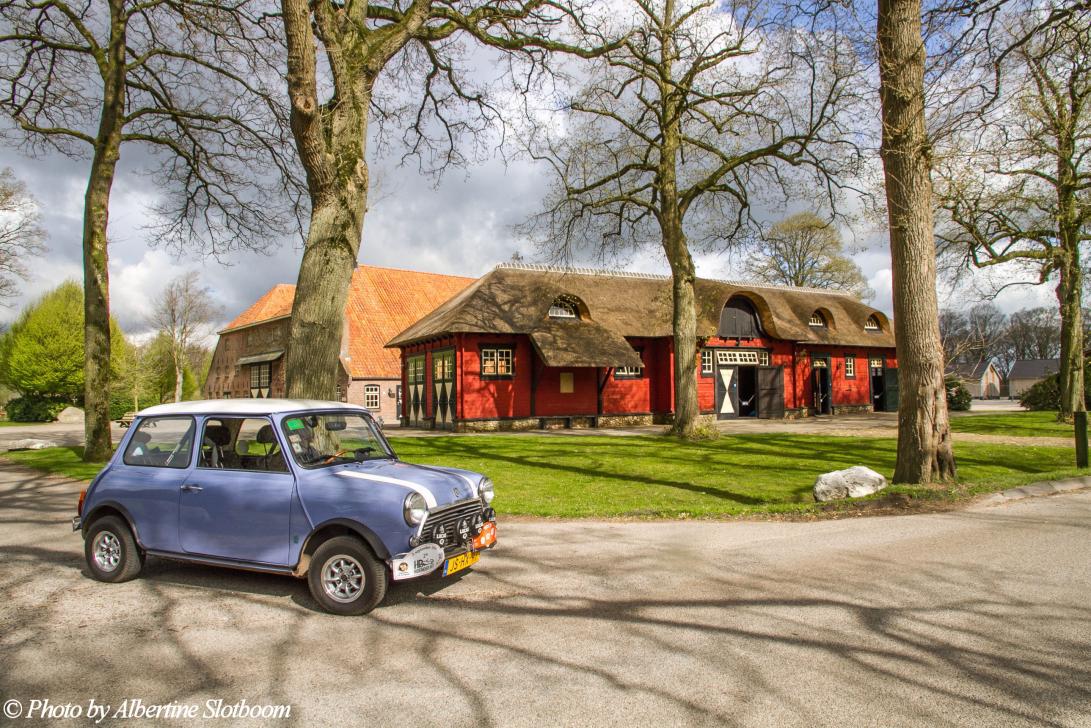
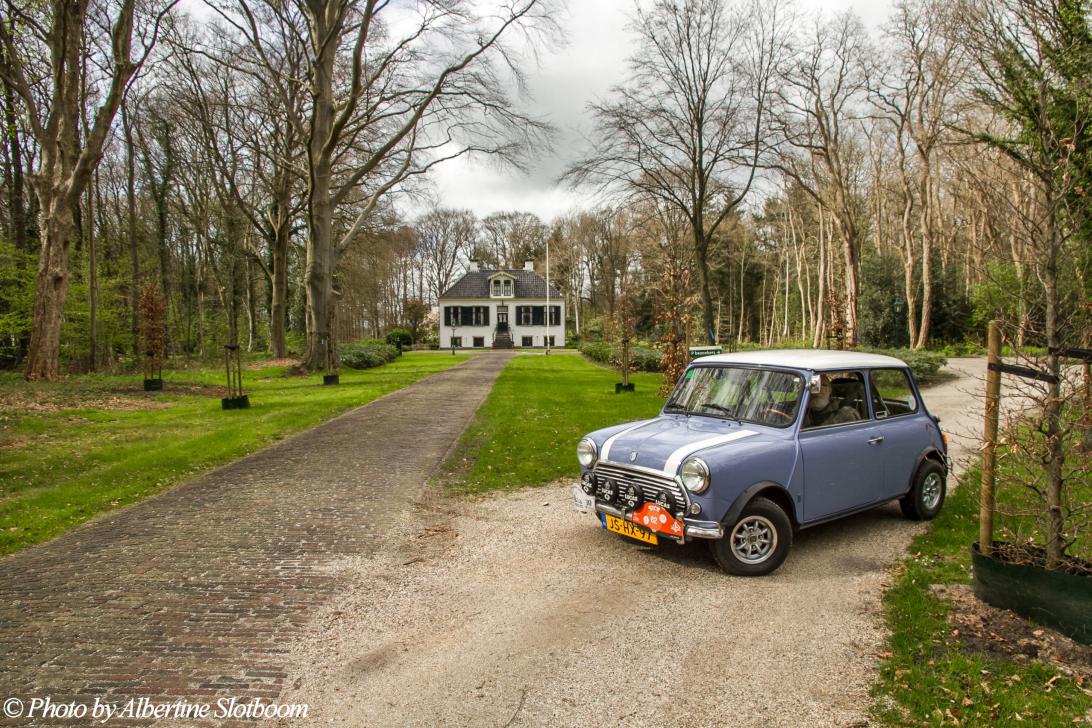
Stuyvesant Mini Tour: Our own 1974 Mini Authi in front of a historic farm and coach house on the country estate 'De Eese', set near the village of Eesveen. 'De Eese' is a captivating landscape of woods, heath and fens situated between Wilhelminaoord, Willemsoord and Frederiksoord, small villages in the former Colonies of Benevolence in the Netherlands.

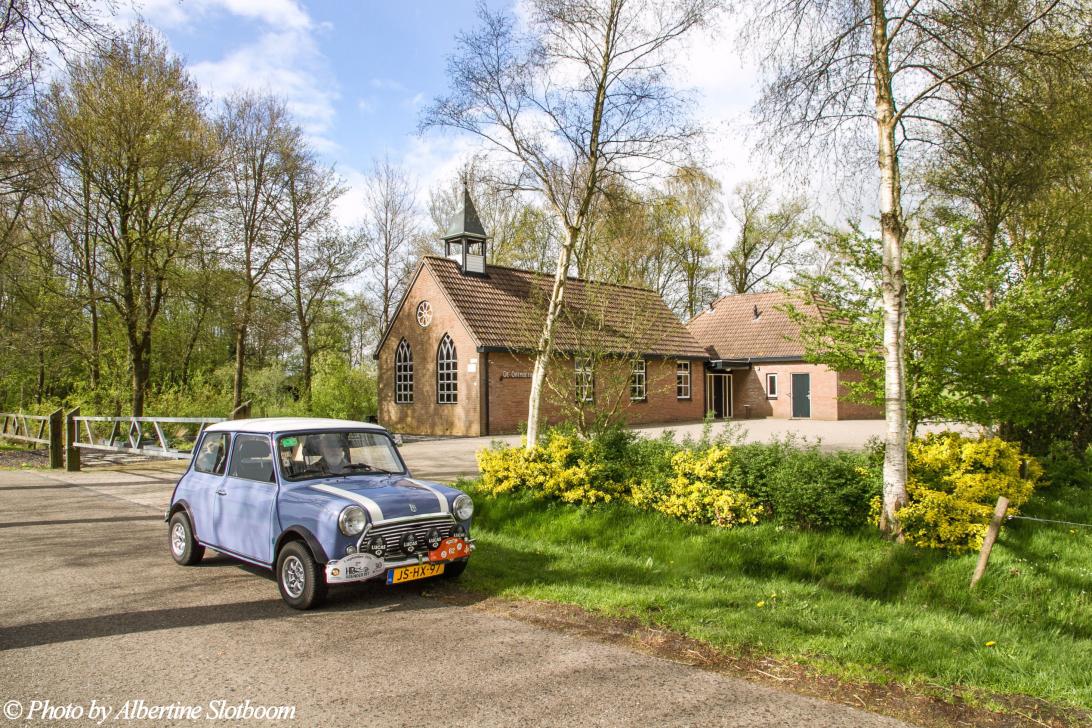
Stuyvesant Mini Tour: 'De Ontmoeting' is a former church in the village of Eesveen. The church was built in 1984 to replace an older chapel which dated from 1906. The building s situated just outside Eesveen and is surrounded by a varied landscape of fields and wooded areas. Today, it serves as a village hall.

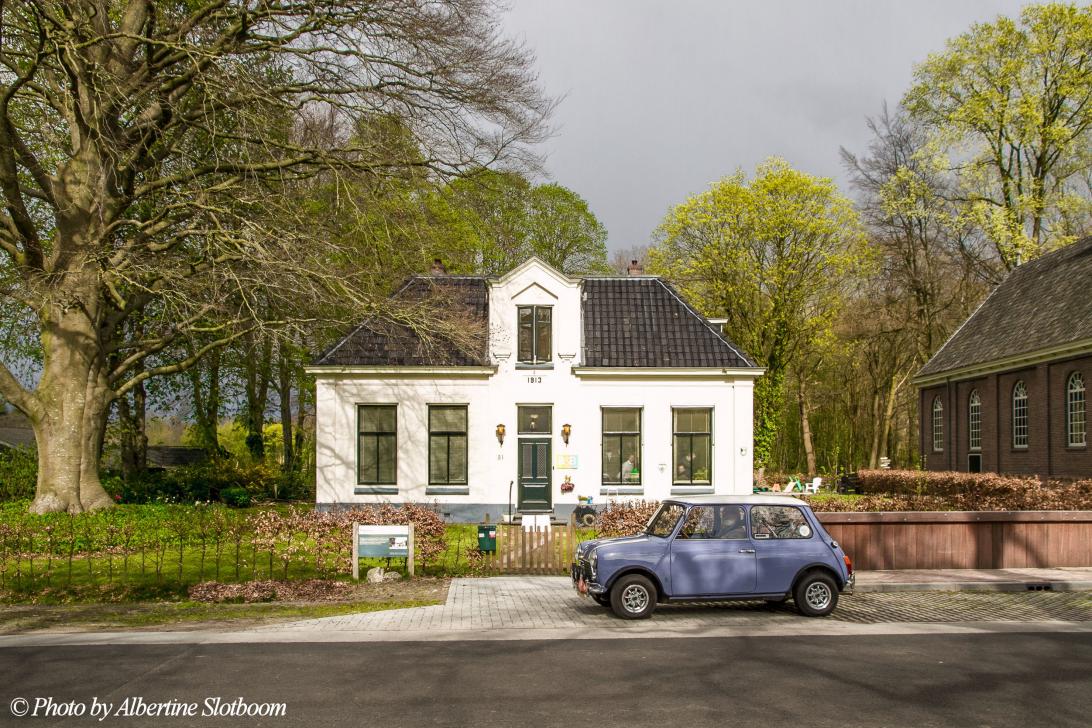
Stuyvesant Tour: Our own Mini Authi in front of the former rectory in Wilhelminaoord, one of the villages in the former Colonies of Benevolence. The rectory was built in the early 1900s and stands next to the Colony Church. The building is now privately owned. The unique Colonies of Benevolence are a UNESCO World Heritage Site.

Our own Classic Mini Authi in front of the 17th-century Huis Westerbeek in Frederiksoord following the Stuyvesant Tour. Frederiksoord is a small village in one of the former Colonies of Benevolence in Drenthe. This mansion was the administrative centre of these colonies, which were established in 1818 to create a better world and eliminate poverty.

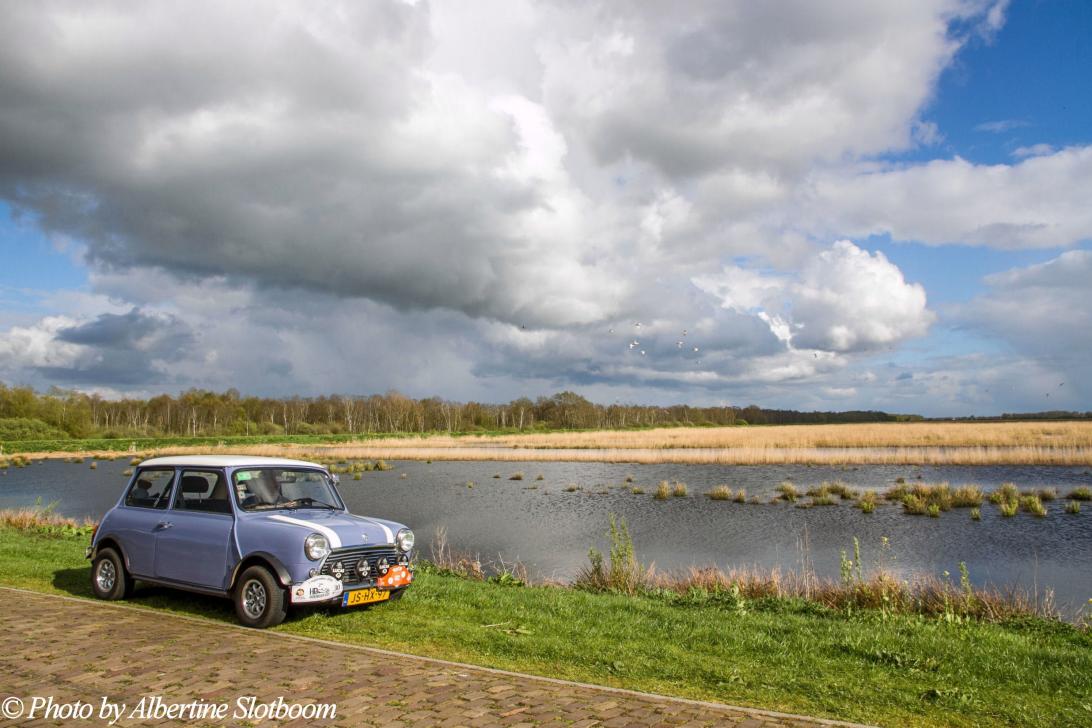
Driving in our own Mini Authi through the peatlands of the National Park Weerribben-Wieden in the Netherlands during the Stuyvesant Tour. The national park includes wetlands, small ponds and lakes, reed belts and peatlands, intersected by a network of drainage canals. The reeds are harvested for various purposes, such as roofing

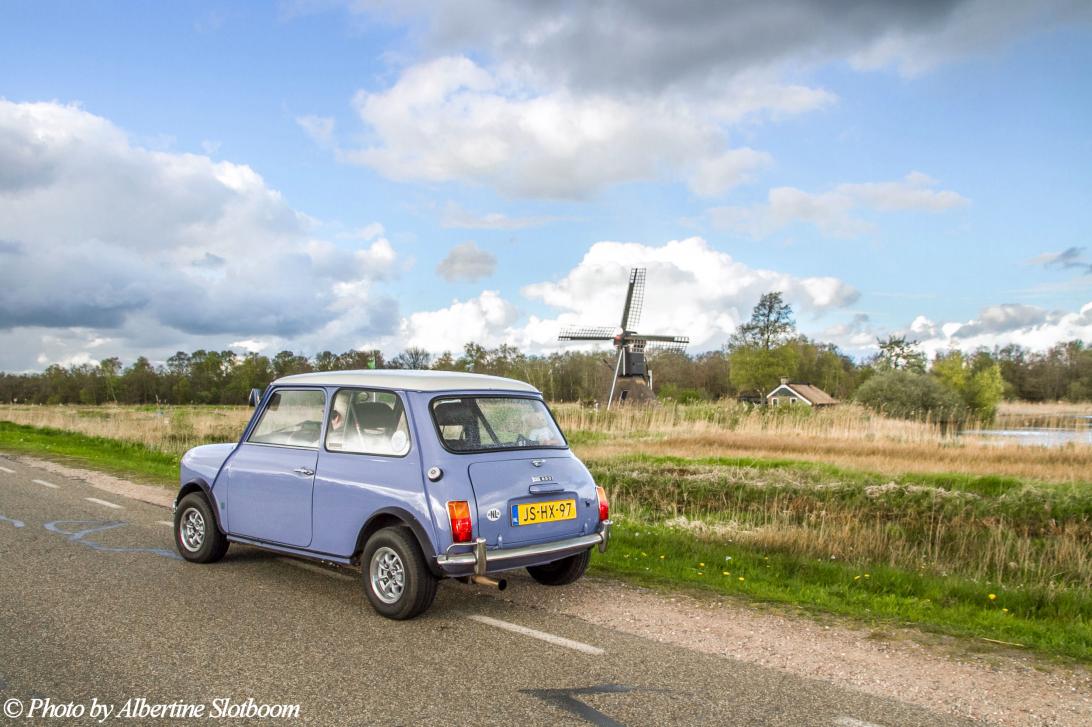
Our own Classic Mini in front of the small drainage mill 'De Wicher' during the Stuyvesant Tour. The mill stands in the wetlands of the Weerribben-Wieden, a national park in the northern part of Overijssel, a province in the Netherlands. The mill is still in working order and is used to drain the reed belts in winter. Despite its small size, it can move as much as 480 cubic metres of water per hour.

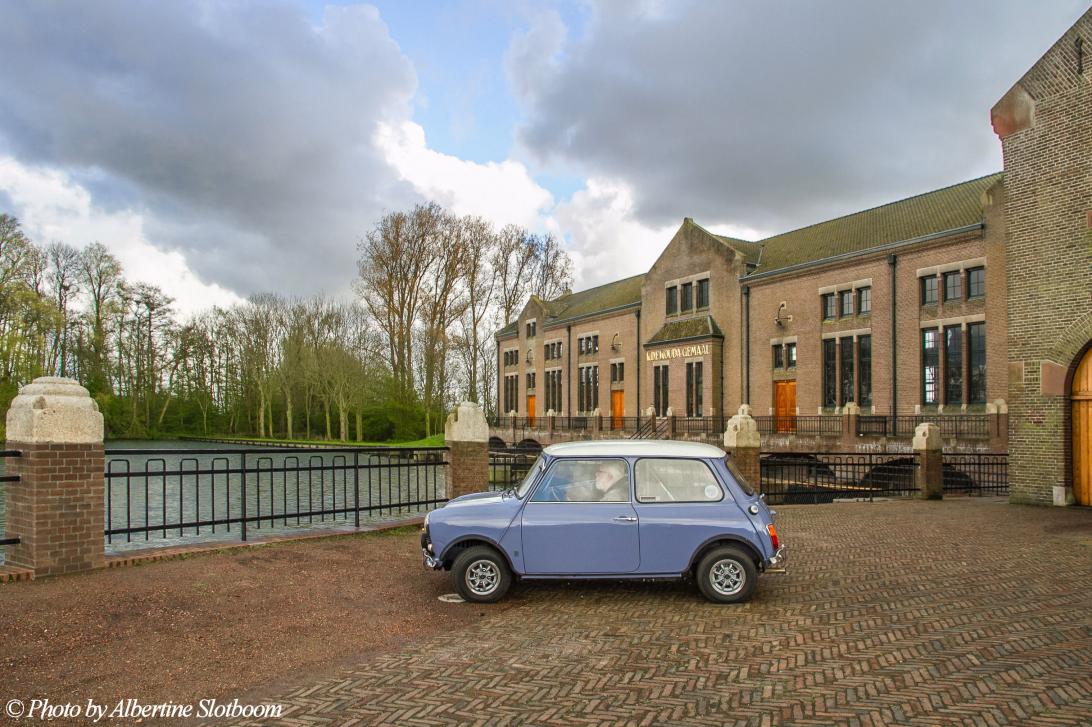
The Mini Authi in front of the Wouda Steam Pumping Station in Lemmer, Friesland. Following the Stuyvesant Tour, we visited this largest steam pumping station in the world, which is still in working order. This technical wonder is a Dutch UNESCO World Heritage Site. The Stuyvesant Tour was held in the border region of Friesland and Overijssel.