Commemoration Operation Quick Anger 2025: On 12 April 1945, thousands of Allied military vehicles mustered near Westervoort to cross the River IJssel towards Arnhem to liberate the city. The Allies had to cross the IJssel from the east, heading towards Arnhem on the western bank. The Allied plan to liberate the city is known as Operation Quick Anger. The attack was preceded by heavy artillery shelling and mortar fire. From Westervoort, in two hours' time, over 70,000 shells were fired at the German positions on the western side of the IJssel. In September 1944, following the defeat at the Battle of Arnhem, the inhabitants of Arnhem and Westervoort had already been evacuated. Immediately after the shelling, the Allies put up massive smoke screens and the first Allied troops crossed the IJssel in boats and amphibious vehicles; they secured a bridgehead on the western bank. After heavy fighting at Fort Westervoort and the Enka Factory in the Kleefse Waard, the German troops surrendered.
Within eleven hours after the start of Operation Quick Anger, the Allies had constructed a Bailey bridge across the IJssel, and thousands of Allied vehicles and soldiers crossed this temporary bridge towards Arnhem. Within a few days, the city was liberated and under Allied control. This Second Battle of Arnhem, in which the small village of Westervoort played a vital role, has never received as much publicity as the first, unsuccessful Battle of Arnhem, which was fought in and around Arnhem and Oosterbeek from 17 to 26 September 1944. Operation Quick Anger was carried out alongside Operation Cannonshot, a daring military operation to cross the IJssel at the villages of Gorssel and Wilp.
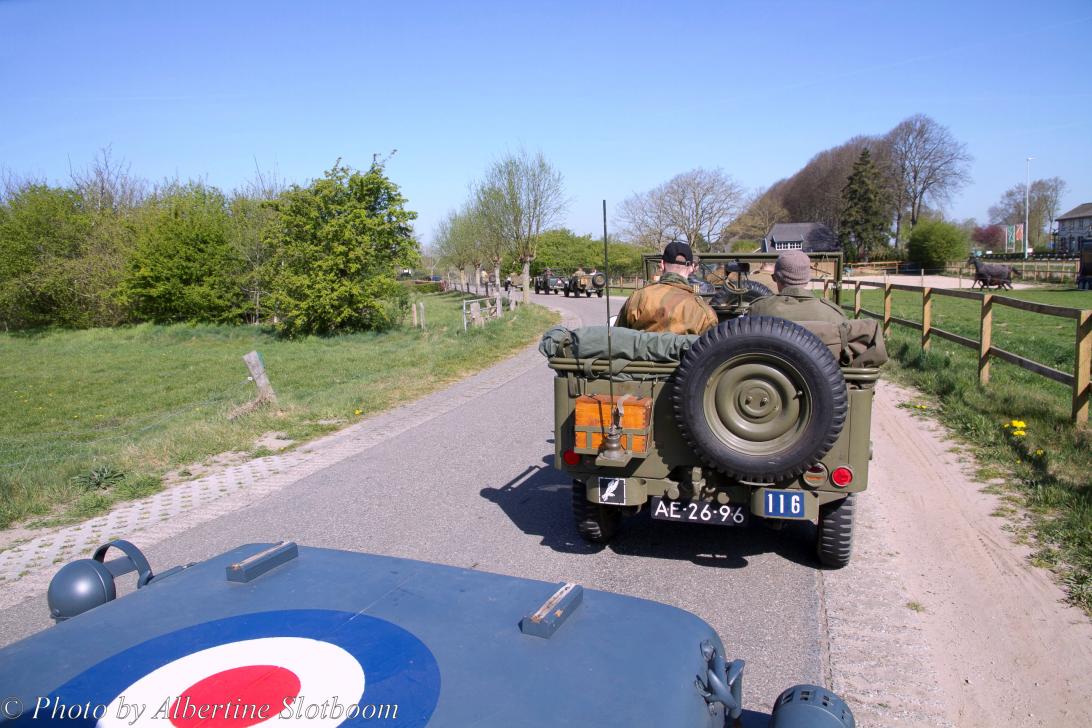
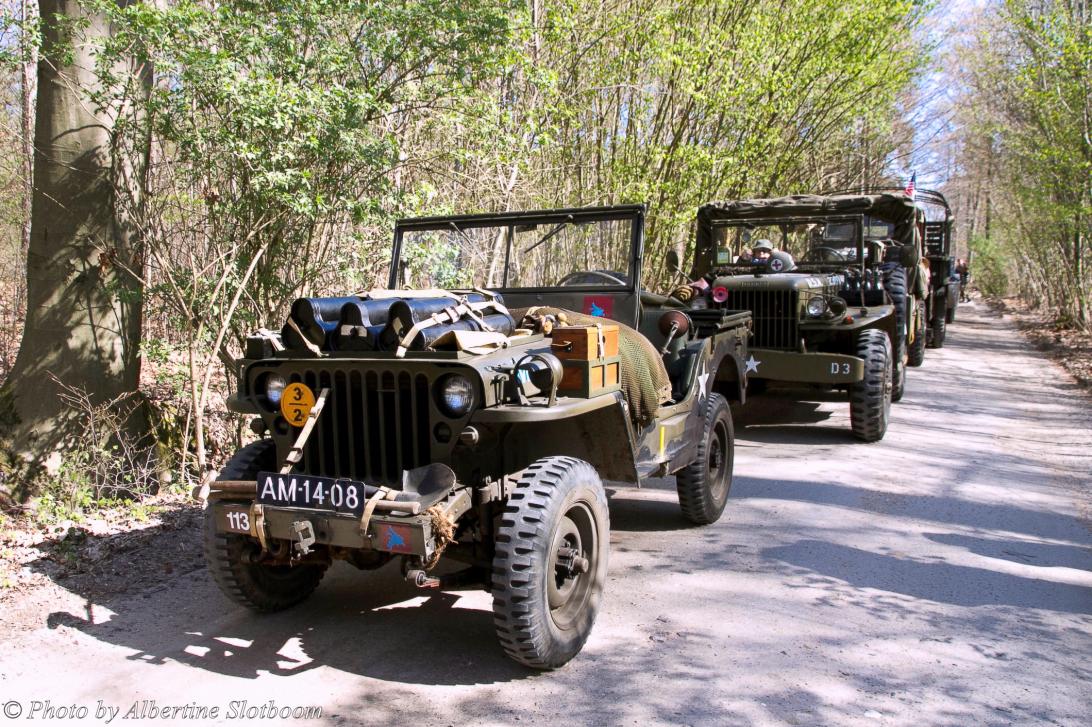
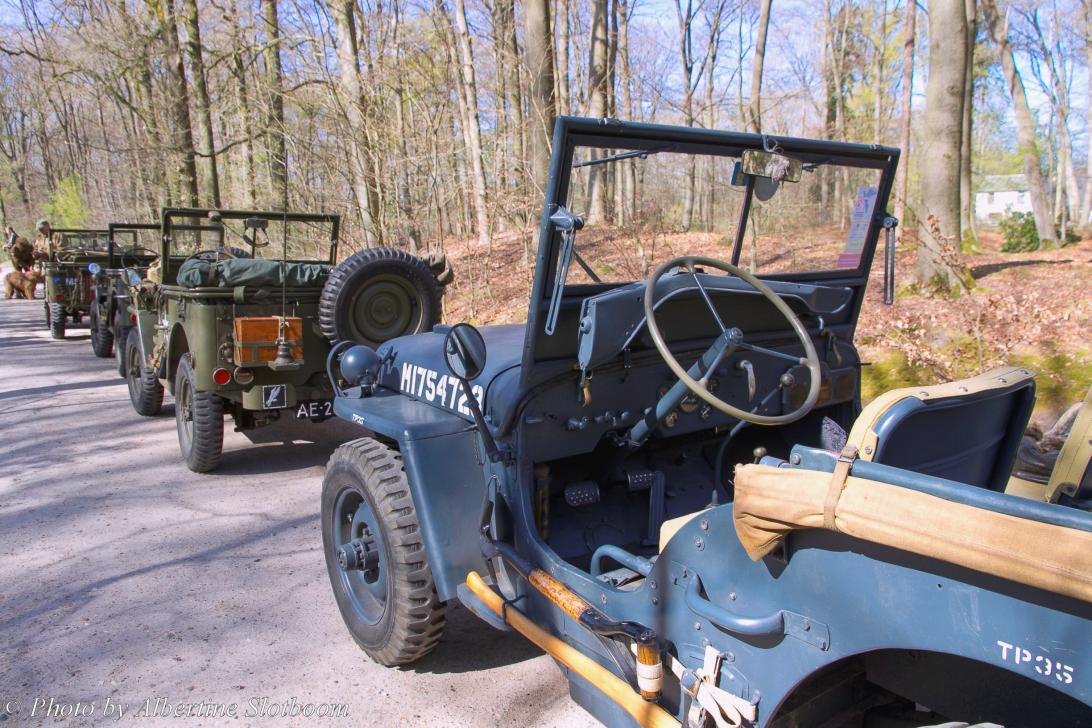
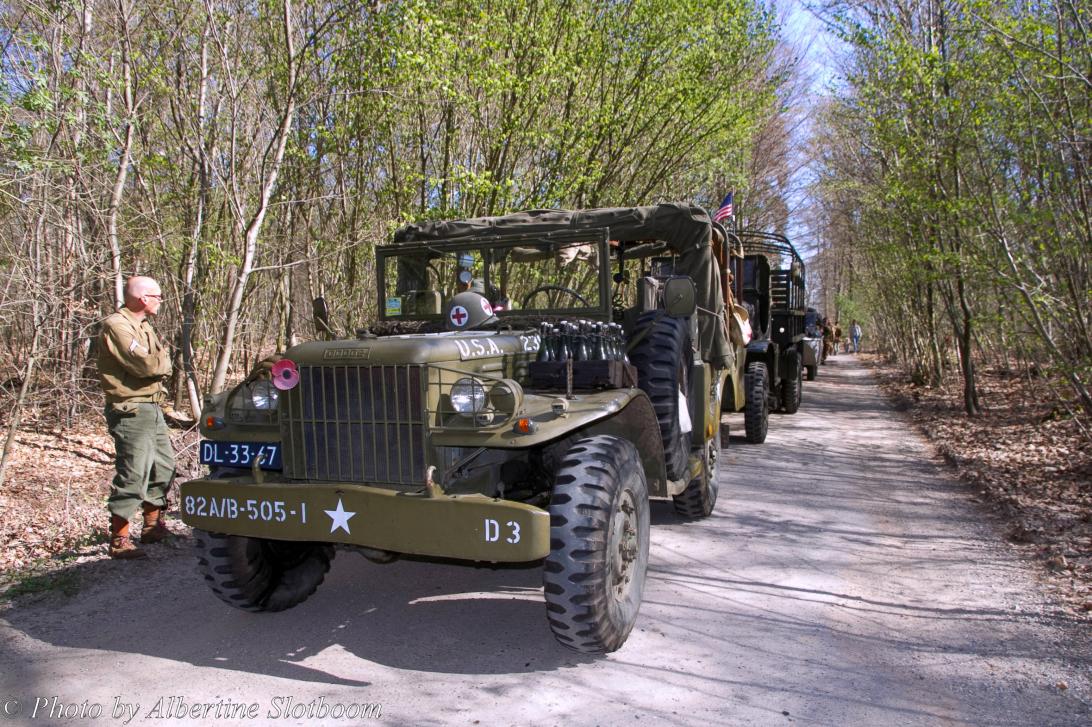
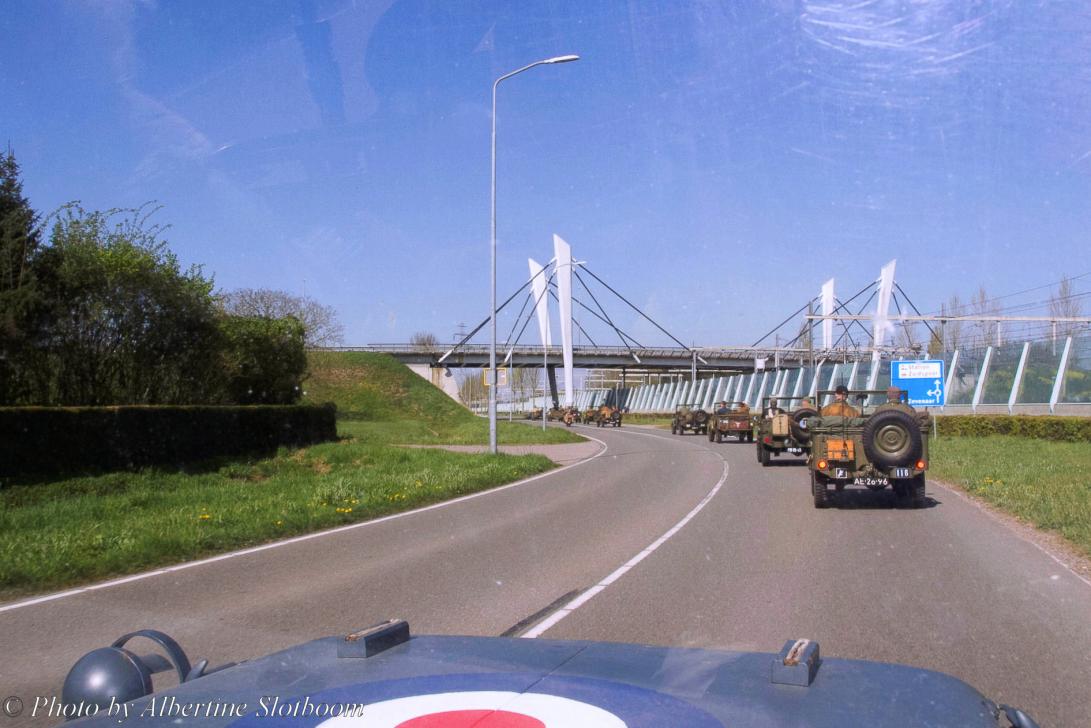
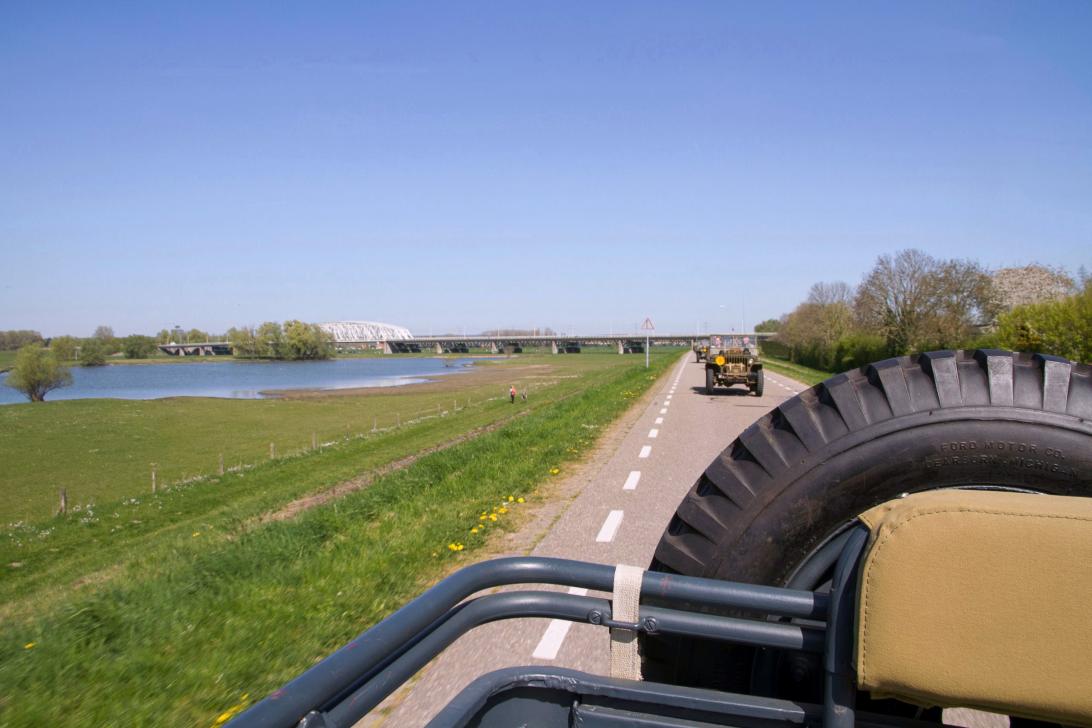
12 April 2025 marks the 80th anniversary of Operation Quick Anger. Exactly 80 years since Operation Quick Anger took place, we participated in the commemoration ceremonies. A Memorial Tour has been held annually since 2011. Second World War vehicles and their owners gathered at the historic Huis Vredenburg (Vredenburg House) in Westervoort for the memorial tour. In our Ford GPA Jeep, alongside the other vehicles and their owners, we drove through the Liemers, a rural region east of the River IJssel.
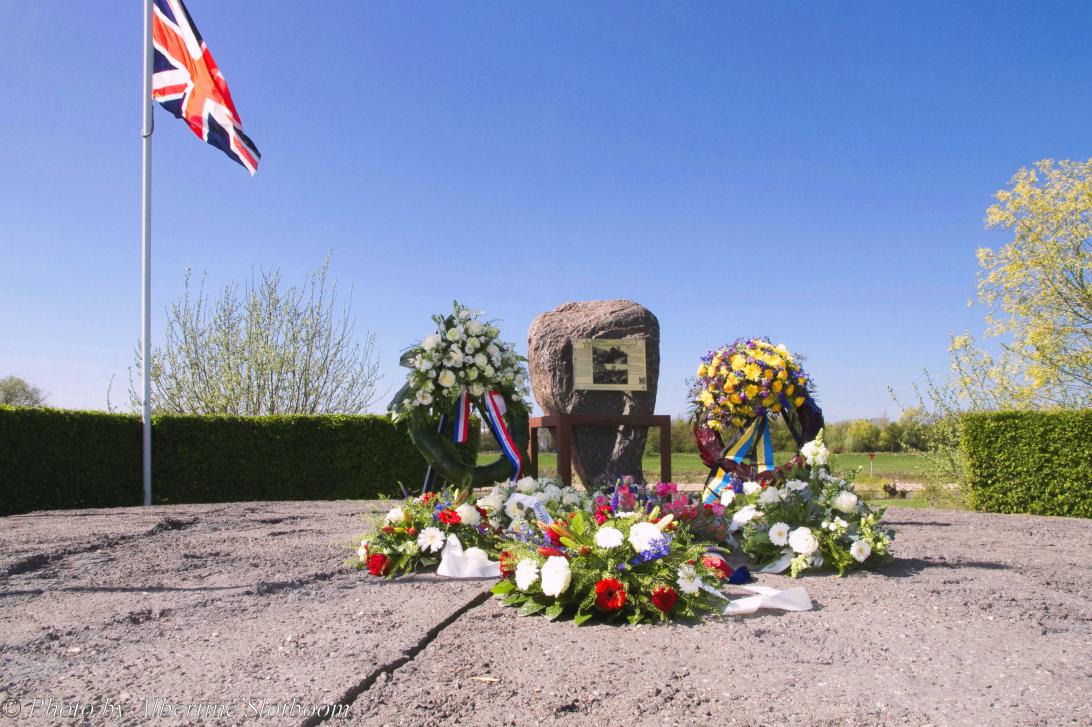
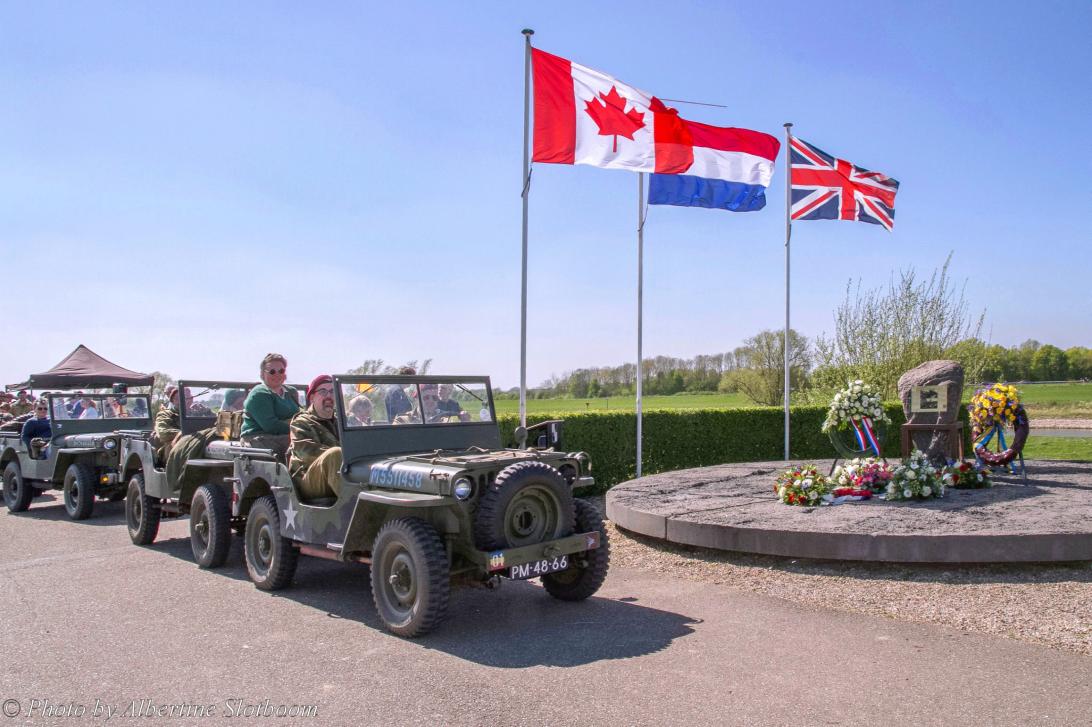
The memorial tour ended at the 'Crossing to Liberation' monument on the banks of the IJssel in Westervoort, where we attended the commemoration and wreath-laying ceremony. This war memorial is located at the very spot where the Allies crossed the River IJssel on 12 April 1945 to liberate Arnhem. This simple but imposing memorial is part of the Liberation Route Europe, an international memorial trail that connects important locations and remembrance sites of the destructive and far-reaching European history during the Second World War.
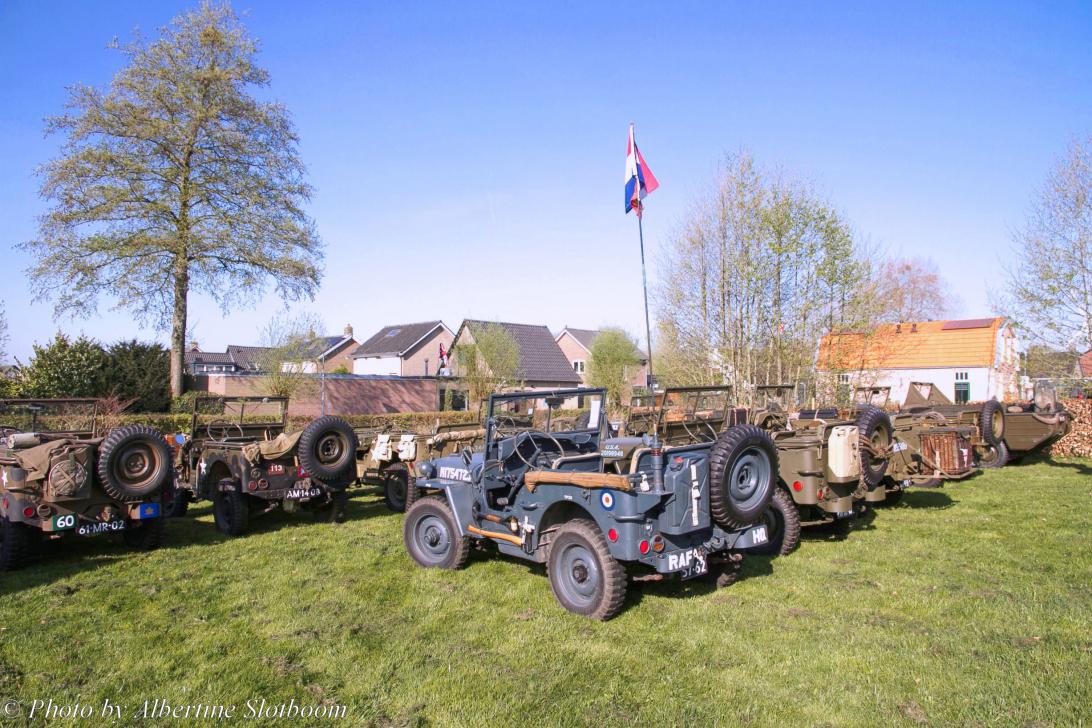
Commemoration Operation Quick Anger, 12 April 2025: More than 50 WWII vehicles and their owners gathered at Huize Vredenburg in Westervoort to participate in the commemoration of Operation Quick Anger. On 12 April 2025, it was exactly 80 years since this military operation took place. The goal of this operation was to liberate Arnhem and then advance into the rest of the Netherlands. These historic vehicles stood ready to commemorate this impressive military operation in a respectful manner.
Commemoration Operation Quick Anger, 12 April 2025: More than 50 WWII vehicles and their owners gathered at Huize Vredenburg in Westervoort to participate in the commemoration of Operation Quick Anger. On 12 April 2025, it was exactly 80 years since this military operation took place. The goal of this operation was to liberate Arnhem and then advance into the rest of the Netherlands. These historic vehicles stood ready to commemorate this impressive military operation in a respectful manner.
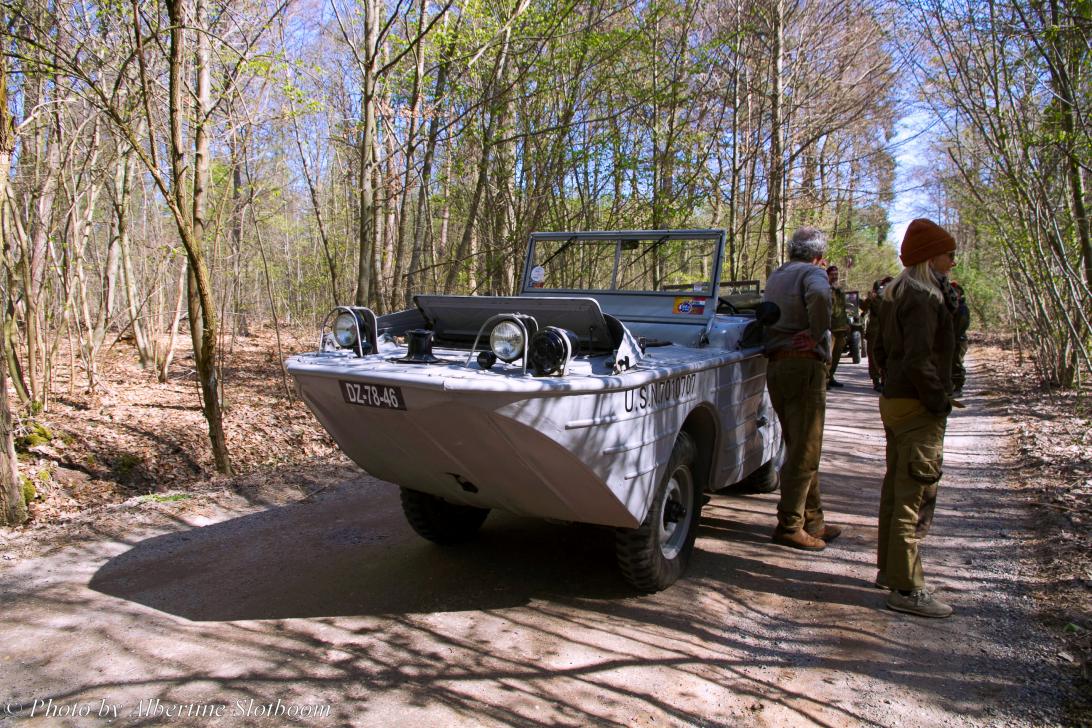
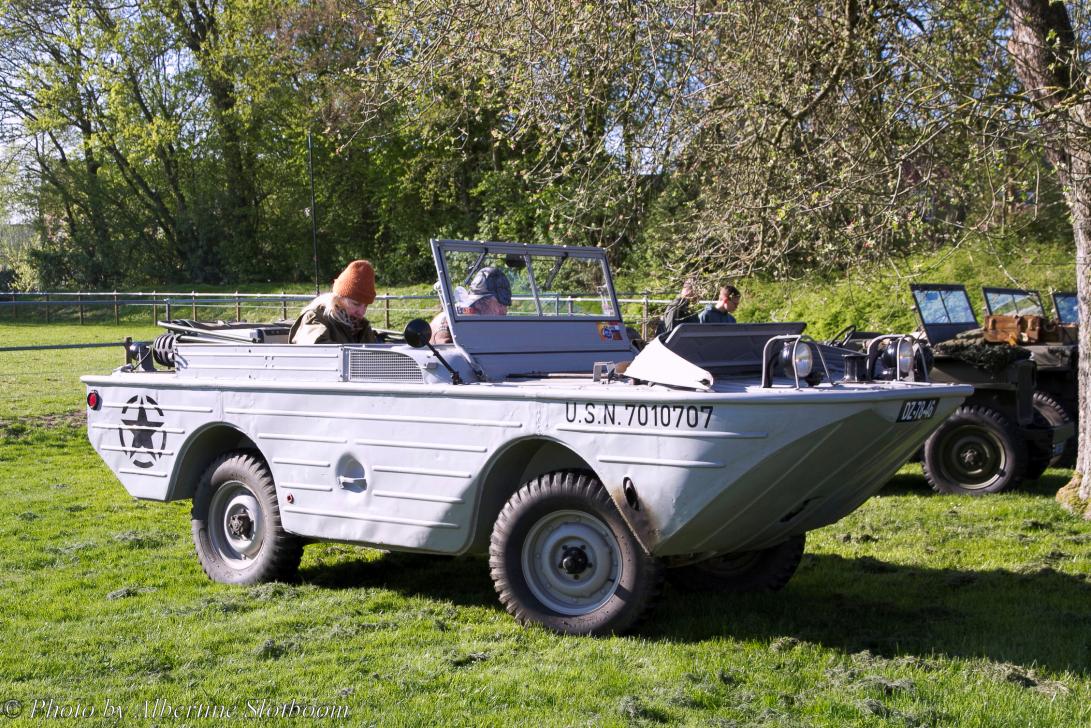
Westervoort, Commemoration Operation Quick Anger 2025: A 1943 Ford GPA on the grounds of Huize Vredenburg. A Ford GPA is the amphibious version of the Ford GPW Jeep. The Ford GPA is a Swimming Jeep, commonly known as Seep. The Ford Motor Company was commissioned to produce this unique model for the US Army in April 1942. Designed primarily for crossing rivers. The Ford GPA Jeep is incredibly rare and valuable today, as very few have survived.

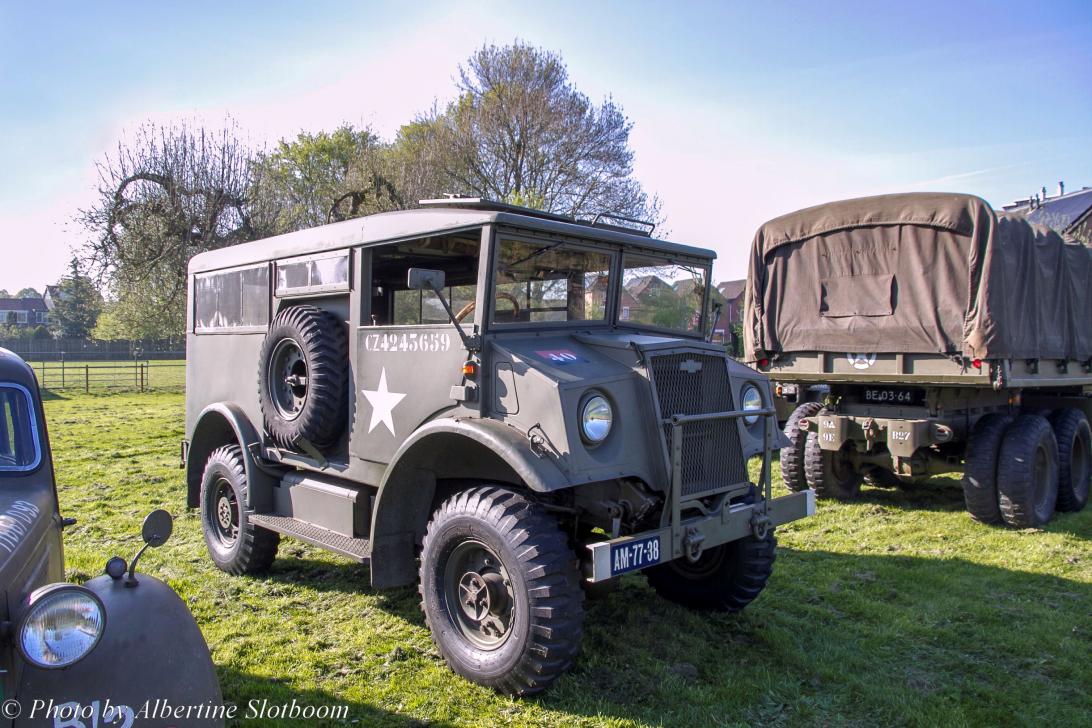
Commemoration Operation Quick Anger 2025: A 1944 Chevrolet C8A at Vredenburg House in the village of Westervoort. The Chevrolet C8A was designed and built by General Motors of Canada. This iconic vehicle was specially designed for rough terrain. About 13,000 Chevrolet C8A vehicles were built in Canada and used by the British Army and Commonwealth armies. These robust vehicles were used for multiple purposes such as transport, evacuation, communication and as command cars.

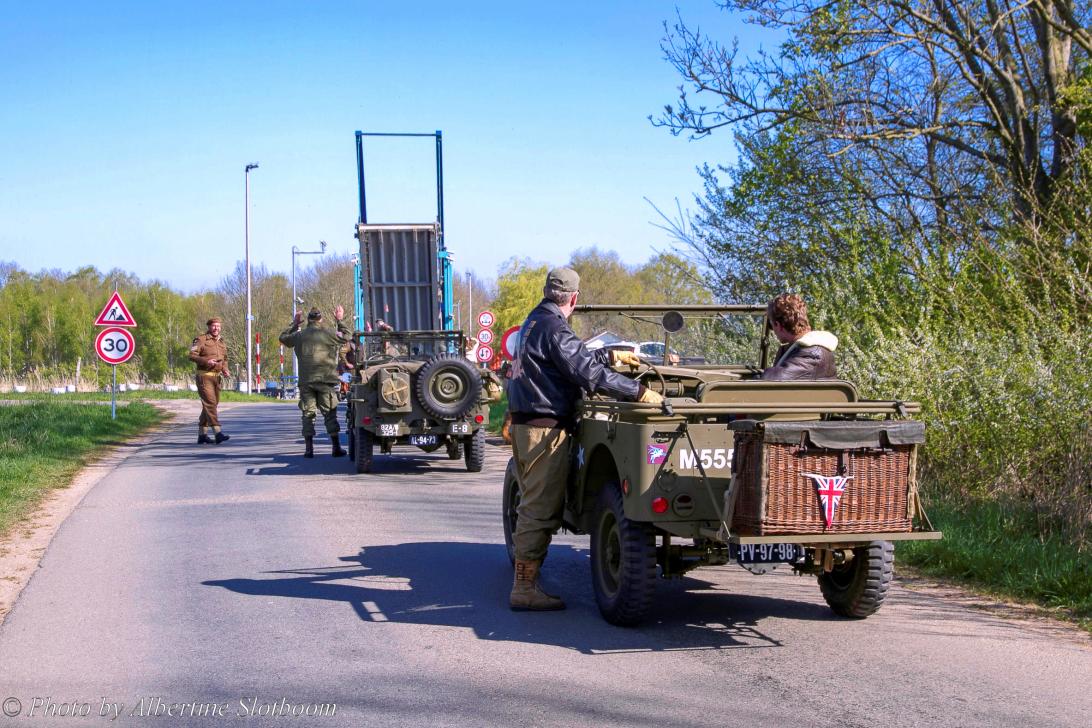
Commemoration Operation Quick Anger 2025: During the memorial tour, the convoy of more than fifty WWII military vehicles stopped in front of an open drawbridge in Laag-Keppel. In the last days of WWII, all the bridges crossing the river Oude IJssel were destroyed by the Germans. Laag-Keppel was liberated by the Black Watch of Canada on 12 April 1945. The drawbridge, called 't Mulra, was only rebuilt in 1951. This iconic bridge is situated in the beautiful 't Mulra nature reserve.

Commemoration Operation Quick Anger 2025: In April 1945, Operation Quick Anger was an Allied military operation to liberate the city of Arnhem. To commemorate this battle, a memorial tour was held. During this tour, a Willys MB Jeep drove in front of our Ford GPW RAF Jeep.The tour passed through the rural landscape of the Liemers and the rolling hills of Montferland, where in early April 1945 the Allied forces advanced from the east to liberate the Netherlands.

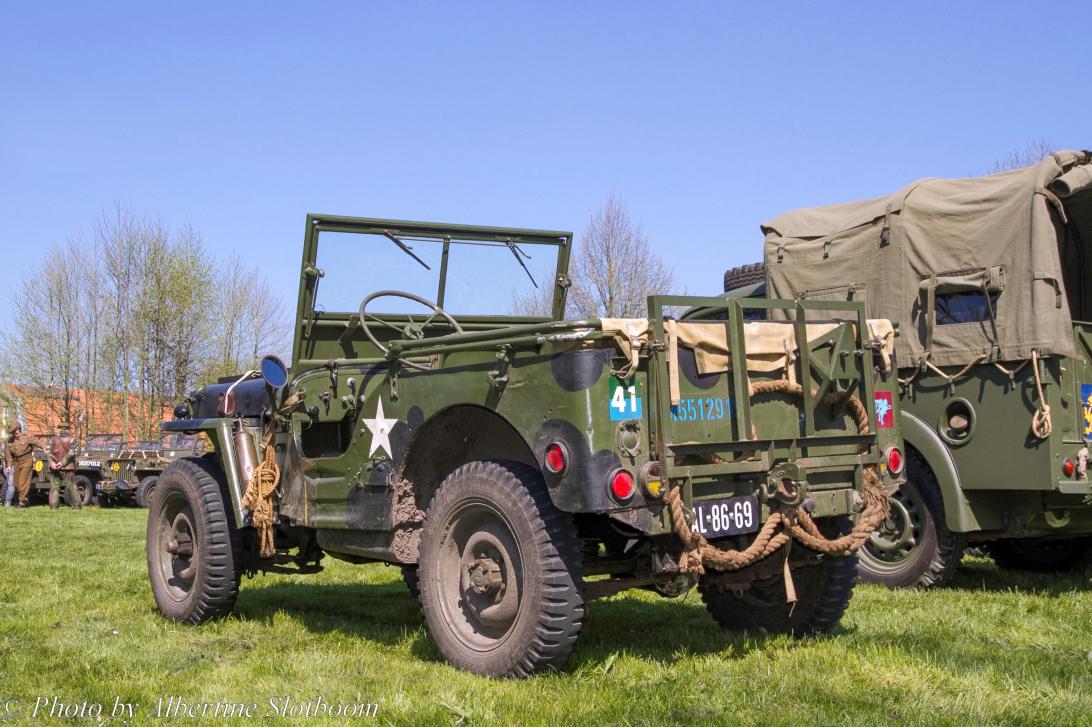
Commemoration Operation Quick Anger 2025: A WWII Ford GPW British Airborne Jeep, for instance recognisable by the cut-down front bumper and the emblem of the British 1st Airborne Division painted on the bumpers and the windshield frame. The Pegasus Emblem is a light blue Pegasus on a maroon background. Formed in 1941, the 1st Airborne Division shared this symbol with the British 6th Airborne Division, which was formed in 1943. In Greek mythology, Pegasus is an immortal winged horse.

Commemoration Operation Quick Anger 2025: Our Ford GPW RAF Jeep was produced by the Ford Motor Company in April 1942. When the Allied forces invaded Normandy in June 1944 to liberate Nazi-occupied Europe, they used vehicles such as Jeeps. Our Jeep was one of them. Today, we use the Jeep for memorial tours, commemoration and celebration ceremonies, the arrival of Sinterklaas and classic car tours. The Jeep is finished in Royal Air Force blue, as it was left behind by the Allies at Ypenburg Airfield after the war.

Commemoration Operation Quick Anger 2025: A 1942 Dodge WC51. Throughout WWII, the Dodge Company was the sole producer of 3/4-ton trucks, building a total of 255,193 of these vehicles as weapons carriers. WC is not an abbreviation for weapons carriers, but a standard manufacturing code of the Dodge Company, an iconic American brand also known for its civilian cars. The Dodge WC51 was used in various European armies after World War II. The Dodge Company was founded in 1914.

Commemoration Operation Quick Anger 2025: The amphibious Ford GPA Jeep, also known as Seep, Seagoing Jeep. Seeps served with the Allied forces in WWII, in the Pacific, the Eastern Front and the landings in Sicily and Normandy. The Seep was not a successful design, it was too heavy and slow on land and its seagoing abilities were insufficient; the Seep was also unable to handle the force of the waves. During WWII, Seeps were also used by the Soviet Red Army.

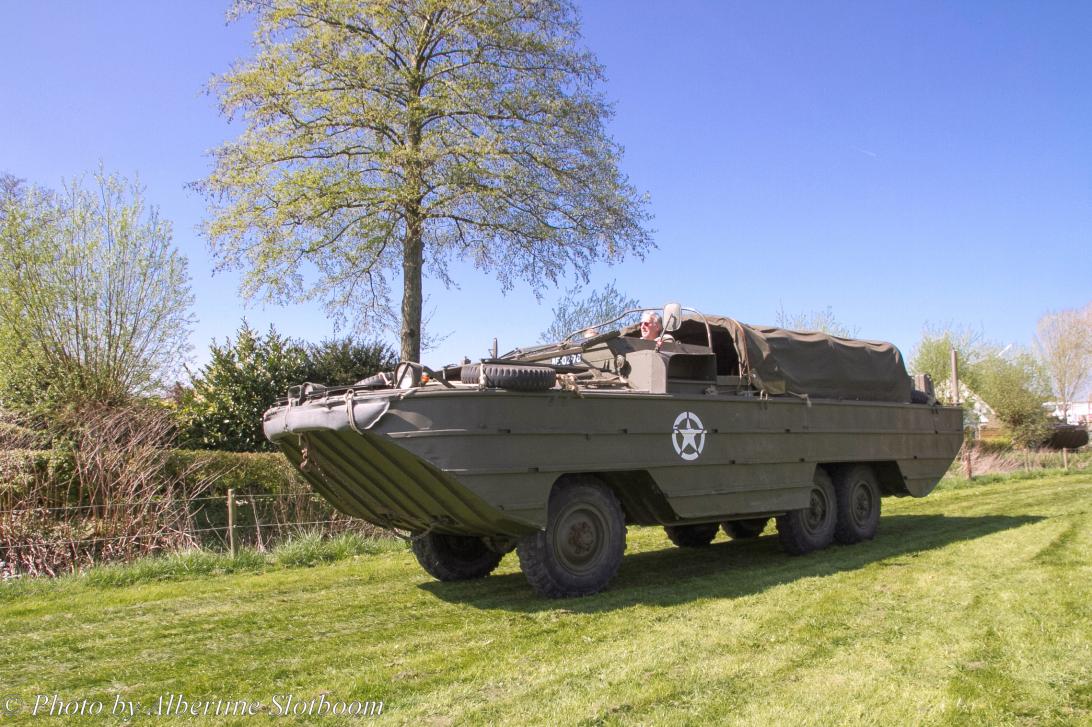
Commemoration Operation Quick Anger 2025: A 1944 GMC DUKW entering the grounds of Huize Vredenburg, Vredenburg House. The white star roundel was prominent on US vehicles in WWII and also in the Korean War. The DUKW became the main amphibious truck of the Allied Forces in WWII. Between 1942 and 1945, 21,147 DUKWs were built. These huge vehicles were used for the transportation of goods and troops over land and water. DUKWs were the most successful amphibious vehicles of WWII and were first deployed operationally during the Allied invasion of Sicily.

Commemoration Operation Quick Anger 2025: A British Airborne Jeep, a 1943 Willys Jeep, painted in the popular Mickey Mouse camouflage pattern. The British Airborne Jeep underwent numerous modifications to make it transportable in a Horsa Glider. For instance, the steering wheel was fitted with a quick release mechanism, enabling swift removal for loading the Jeep in a Horsa Glider, or folding the windscreen to save space.

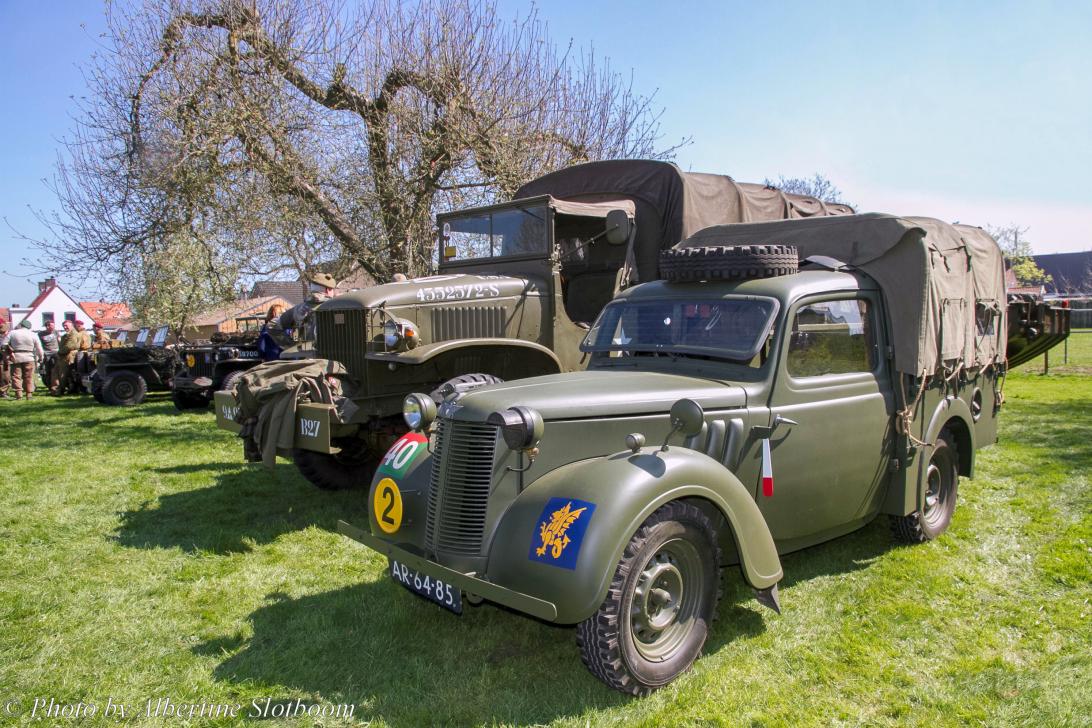
Commemoration Operation Quick Anger 2025: A 1939 Austin Ten Light Utility displayed on the grounds of Vredenburg House in Westervoort. In 1939, a new model Austin was introduced, the Austin Ten Light Utility. This pick-up version was used by the army and was fondly called 'Tilly'. About 29,000 Austin Ten Light Utility cars were produced during WWII, but very few survive today. During WWII, even the young Princess Elizabeth – the later British Queen – used the 'Tilly', tinkered with it, and learned how to maintain it.

Commemoration Operation Quick Anger 2025: The convoy of WWII military vehicles passed the Ferguson Bridge in Zevenaar. In 2004, the bridge was named after Kenneth Scott Ferguson, the nineteen-year-old Canadian who soldier was killed in action on 2 April 1945 near the former level crossing east of the bridge during the liberation of Zevenaar. One day later, Zevenaar was liberated. Kenneth was first buried in Germany, but reburied in the Groesbeek Canadian War Cemetery in 1947.

Commemoration Operation Quick 2025: The IJssel Bridge at Westervoort. Westervoort is located on the east bank of the IJssel and Arnhem on the opposite bank. At Westervoort, the IJssel splits from the Nederrijn; this point is called the IJsselkop (IJssel Head), a strategic location. The IJssel Bridge was blown up in 1940 by Dutch military engineers to delay the German advance into the western Netherlands. At the end of World War II, the Germans blew up the bridge – which had been repaired by then – once again to halt the Allied advance.

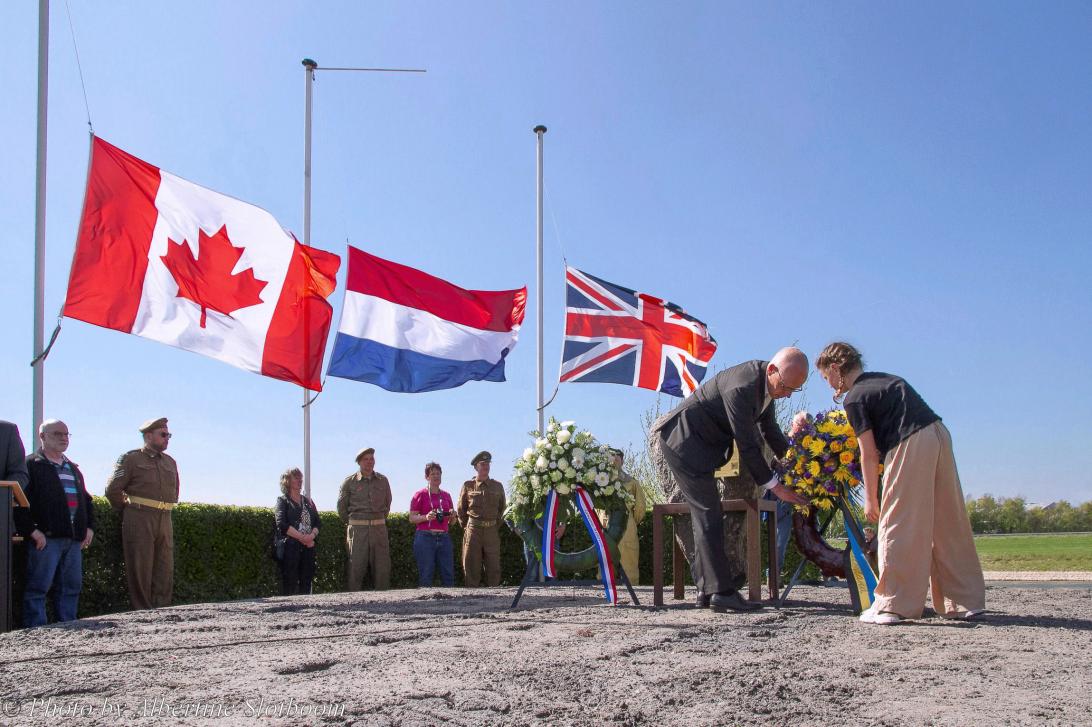
Commemoration Operation Quick Anger 2025: During the memorial ceremony of Operation Quick Anger at the Crossing to Liberation monument in Westervoort, floral wreaths were laid by the King's Commissioner for Gelderland, the Mayor of Westervoort, mayors of the surrounding villages, primary school children, and descendants of soldiers who were killed during Operation Quick Anger. After raising the flags, a moment of silence was held as a gesture of respect to the soldiers who sacrificed their lives for our freedom.

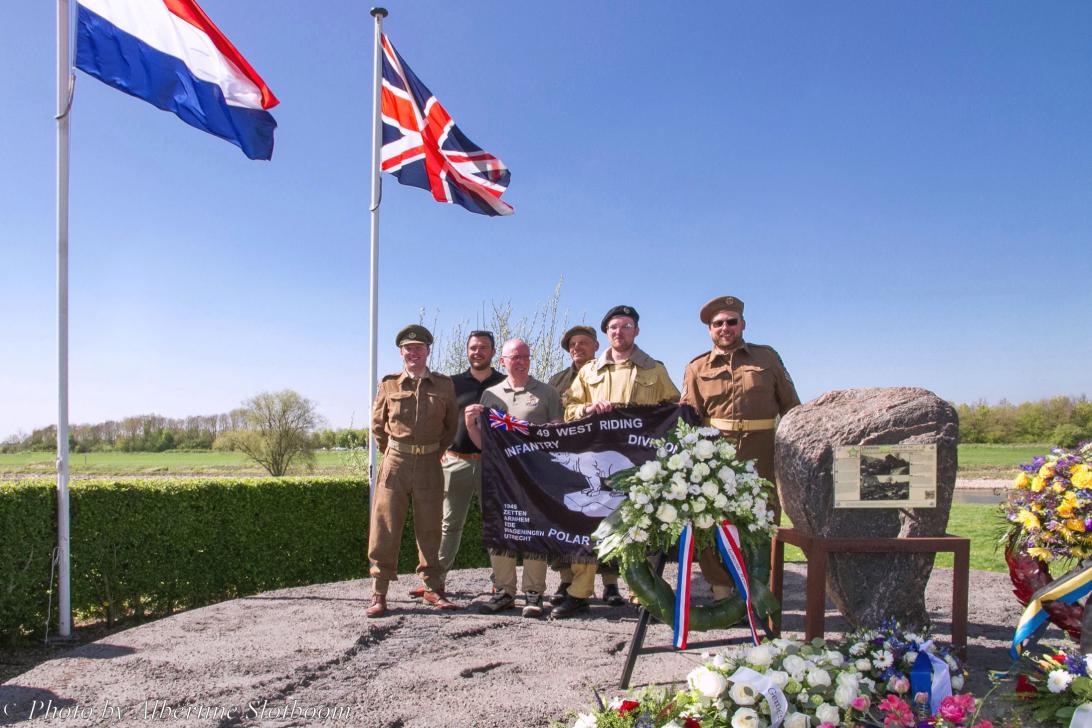
Commemoration Operation Quick Anger 2025: Members of the Dutch Polar Bears laid a wreath, and one of them recited the Act of Remembrance – the most famous stanza from the poem 'For the Fallen': They shall grow not old, as we that are left grow old: Age shall not weary them, nor the years condemn. At the going down of the sun and in the morning, we will remember them. This moving poem 'For the Fallen' was written by the English poet Laurence Binyon in 1914, just a few weeks after the outbreak of the First World War.

Commemoration Operation Quick Anger 2025: The Crossing to Liberation war monument commemorates the Allied soldiers who died here in April 1945 during Operation Quick Anger. The military Operation Quick Anger is sometimes called the Second Battle of Arnhem or the Forgotten Battle. The Second Battle of Arnhem was successful, resulting in the liberation of the city. A month later, the whole of the Netherlands was liberated. Twelve Allied soldiers were killed in action during the crossing of the IJssel at Westervoort. They are buried in the Groesbeek Canadian War Cemetery.

Commemoration Operation Quick Anger 2025 at the Crossing to Liberation monument on the bank of the IJssel in Westervoort: After the commemoration ceremony, the WWII vehicles slowly drove past the war monument as a tribute to the soldiers who fought for our freedom. Leading the convoy was a WWII Ford GPW British Airborne Jeep, of the type as used during the Battle of Arnhem in September 1944, which ended so tragically.