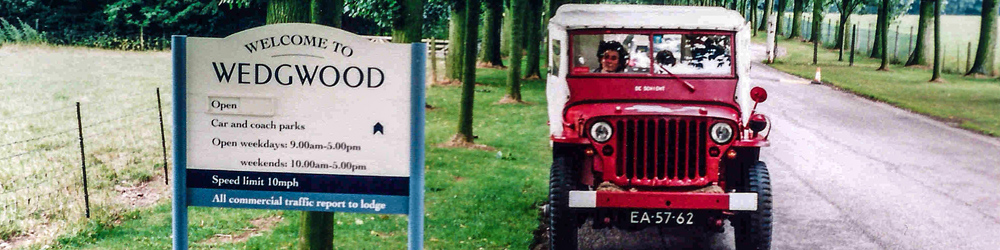
Commemorating the 65th nniversary of D-Day – Normandy 2009: We set out on memorial trip in our own original 1942 Ford GPW Jeep, following the D-Day landing beaches in Normandy. We visited Normandy in the last week of May and the first week of June 2009 to coincide with the commemorations of the 65th anniversary of the D-Day landings. In Normandy, there are many commemorations and celebrations of the D-Day landings each year; every five years, Second World War Jeep owners and owners of other Second World War military vehicles are invited to Normandy to attend one or more of the anniversary ceremonies.
Our journey took us to the iconic sites along the landing beaches. In our own Ford Jeep, we participated in a memorial tour along Gold Beach and the Mulberry Harbour at Arromanches-les-Bains. We took part in a parade of Second World War vehicles at the Canada House in Bernières-sur-Mer, as well as a memorial tour and torchlight parade in Courseulles-sur-Mer. One of the most poignant moments was attending the commemoration of the 65th anniversary of D-Day at Mont Saint-Michel, a small rocky island off the coast of Normandy. The contrast between the white crosses at the Normandy American Cemetery and Memorial, the best-known and most visited war cemetery in Normandy, and the sombre dark crosses at La Cambe German Military Cemetery was deeply moving. At La Cambe, we witnessed the burial of a German soldier who fell during the Second World War at the Maisy Battery and was finally discovered 65 years after D-Day. The Maisy Battery is located near Grandcamp-Maisy, a coastal village between Omaha Beach and Utah Beach.
Further along the coast, we visited the Musée de la Batterie de Merville; the museum is housed in and around the original bunkers of a German coastal battery from the Second World War. The museum is located in the municipality of Merville-Franceville-Plage. A unique experience was being allowed to park our Jeep right in front of the huge radar dish of the Distelfink Radar Station in Douvres-la-Délivrande. In our own Jeep, we followed the section of the Liberty Road along the coast of Normandy; this road is a commemorative way connecting Utah Beach to Bastogne. After two weeks in Normandy, we returned home.
We remain deeply impressed by how the French maintain their Second World War monuments and honour the veterans who liberated them from Nazi occupation.
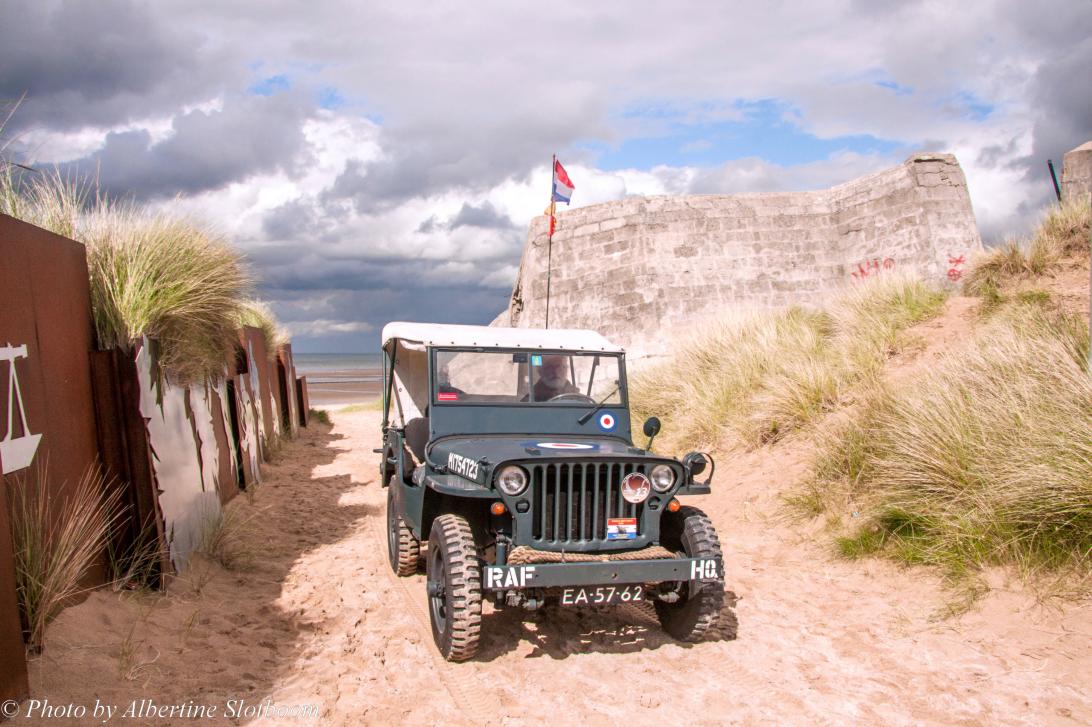
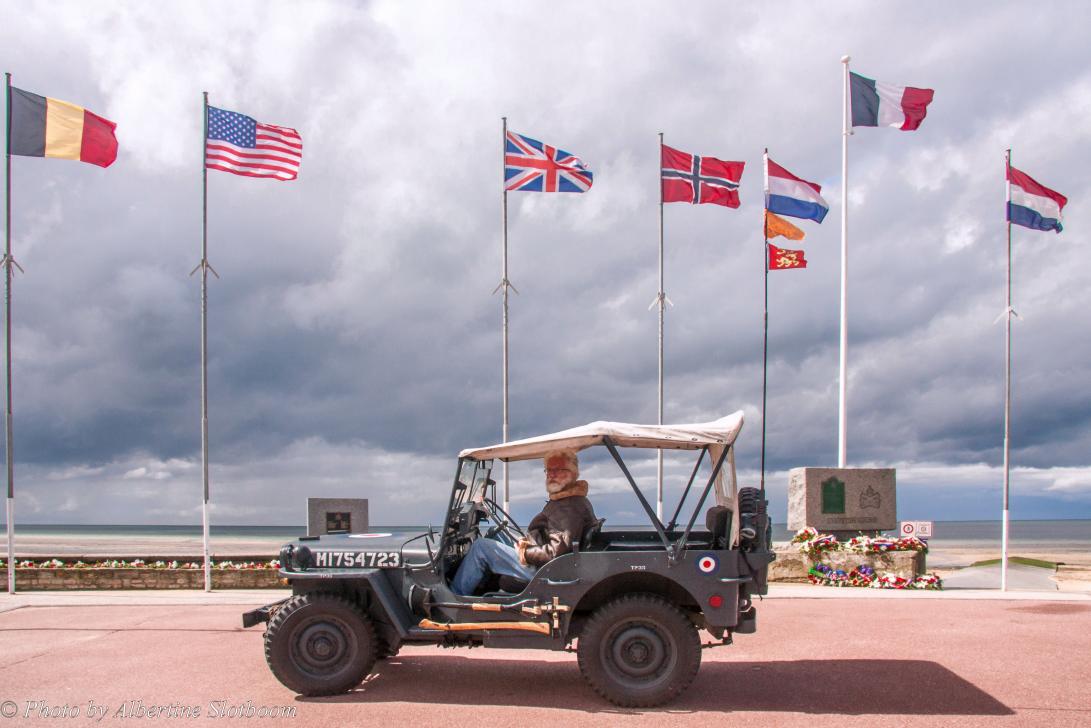
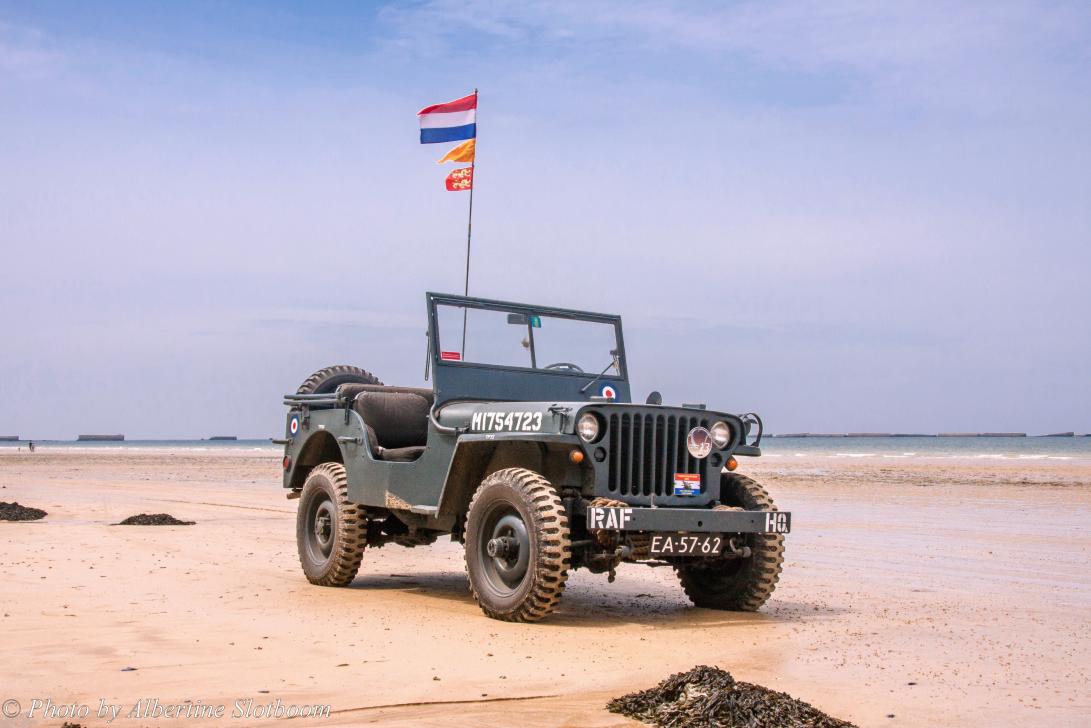
The 65th anniversary of D-Day – 2009: Our own WWII Ford Jeep on Juno Beach, one of the five landing beaches during the Allied invasion of Normandy, called Operation Overlord. This was the codename for the Allied invasion and the beginning of the liberation of Nazi-occupied Europe. Operation Overlord started on D-Day, 6 June 1944, the day the Allied troops crossed the English Channel and landed on the beaches of Normandy, France. Our own Jeep landed on Juno Beach in 1944, shortly after D-Day.
The 65th anniversary of D-Day – 2009: Our own WWII Ford Jeep on Juno Beach, one of the five landing beaches during the Allied invasion of Normandy, called Operation Overlord. This was the codename for the Allied invasion and the beginning of the liberation of Nazi-occupied Europe. Operation Overlord started on D-Day, 6 June 1944, the day the Allied troops crossed the English Channel and landed on the beaches of Normandy, France. Our own Jeep landed on Juno Beach in 1944, shortly after D-Day.
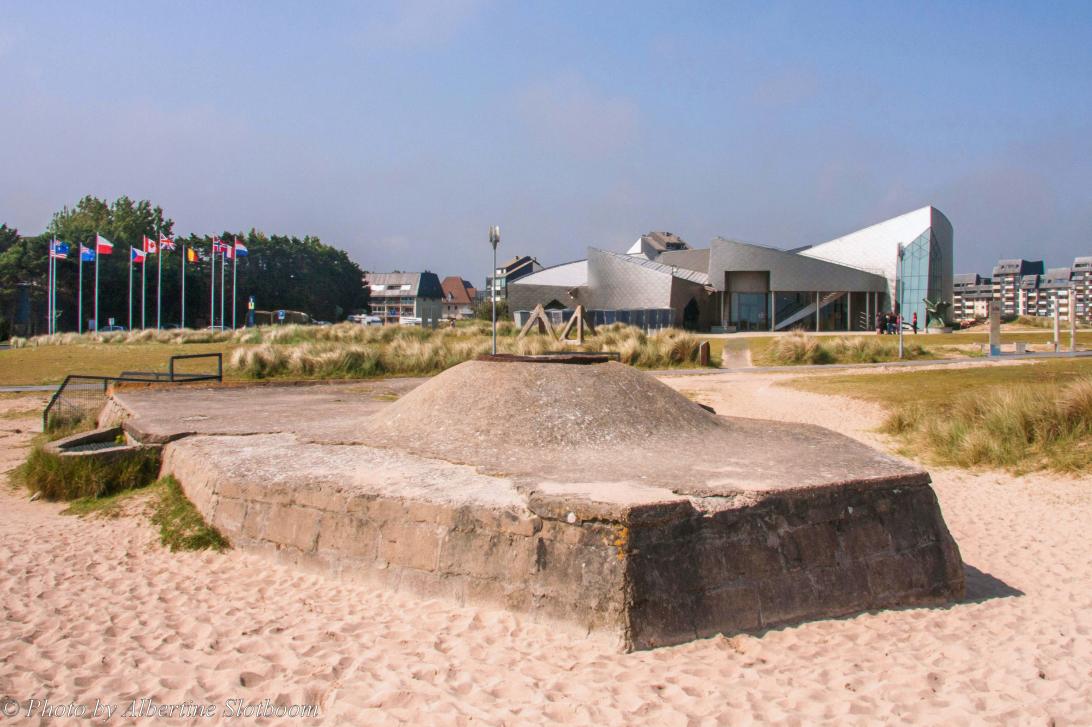
Juno Beach, Normandy, the 65th anniversary of D-Day: A German underground command post and observation bunker in front of the Juno Beach Centre. This bunker was built as part of the Atlantic Wall, a German defence line. The Juno Beach Centre is a museum on Juno Beach in Courseulles-sur-Mer, the beach where more than 40,000 Canadian soldiers landed on D-Day, 6 June 1944, the first day of the Battle of Normandy. The museum is dedicated to the Canadian soldiers who fought for the liberation of Nazi-occupied Europe.

Commemorating D-Day, the 65th anniversary: Our own RAF-blue Jeep next to a WWII German bunker on Juno Beach in Bernières-sur-Mer. It was captured by the soldiers of the Queen's Own Rifles of Canada on D-Day. This bunker was part of the Atlantic Wall along the Normandy coast. The Atlantic Wall was a defensive line built by Nazi Germany during WWII and stretched from Norway along the coast of continental Europe to the border of Spain.

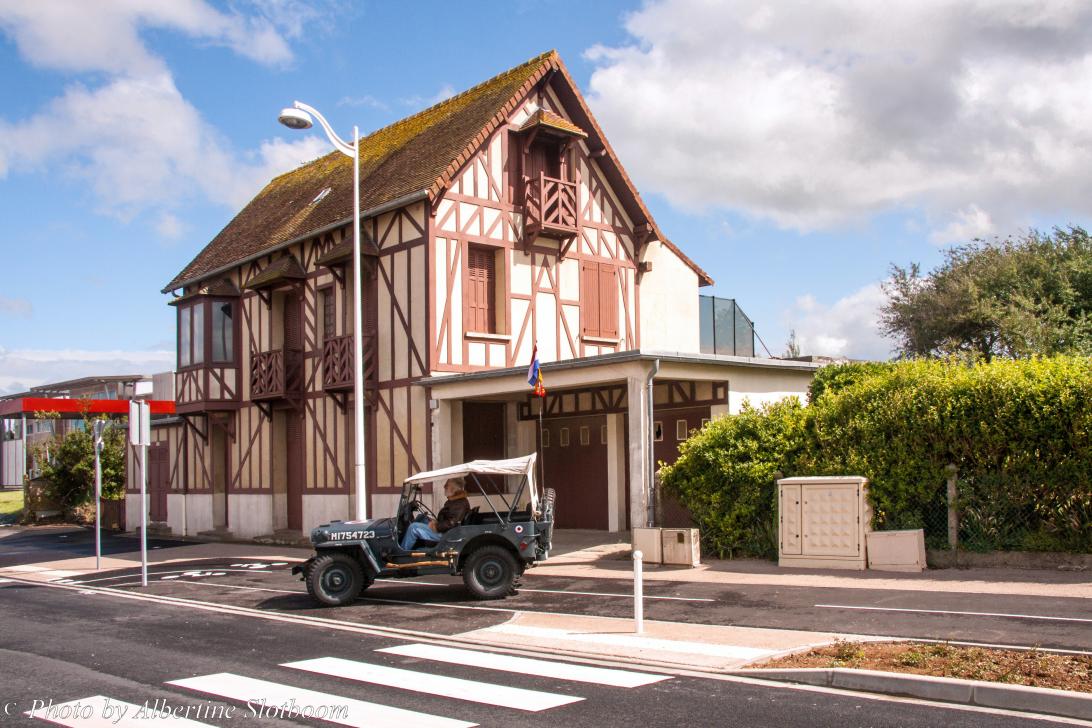
The 65th anniversary of D-Day, Bernières-sur-Mer: In the first weeks after D-Day, the garden of this house was used as a temporary war cemetery for fallen Canadian and German soldiers. After WWII, the Canadian soldiers were reburied at the Bény-sur-Mer Canadian Military Cemetery, just a few kilometres from Juno Beach. The majority of the fallen German soldiers were reburied at the La Cambe German Military Cemetery.

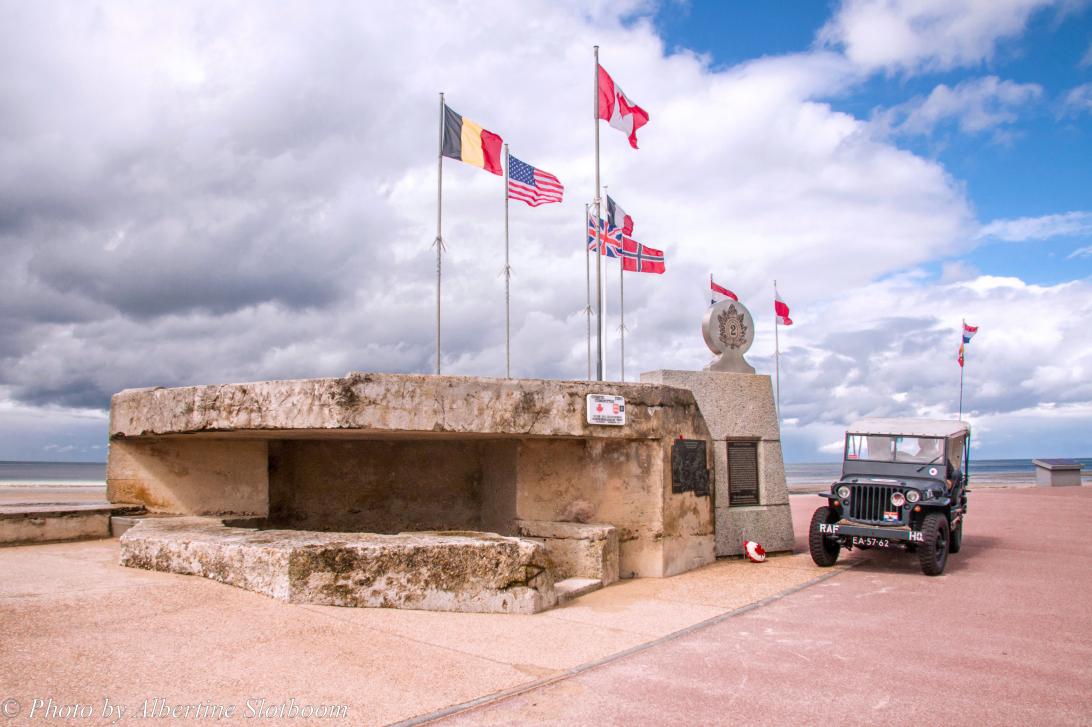
Normandy 2009: Our own RAF-blue Ford Jeep in front of a WWII memorial in Bernières-sur-Mer. The monument was erected in memory of the Régiment de la Chaudière of Canada. On D-Day, this French-speaking Canadian regiment landed on Juno Beach in Bernières-sur-Mer on the coast of Normandy. The regiment suffered 106 casualties on D-Day, including 19 killed and 87 wounded. From Normandy, it started the long and bloody advance against Nazi Germany that ended in the Allied victory on VE Day (8 May 1945).

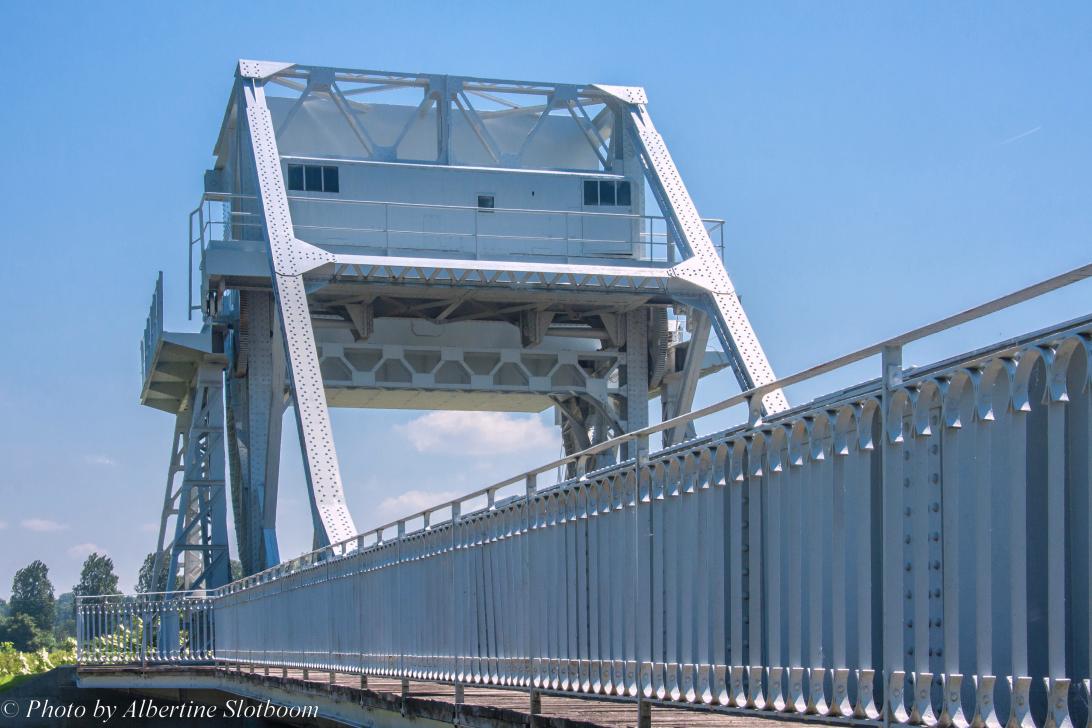
Classic Car Road Trip Normandy: The original iconic Pegasus Bridge at the Pegasus Memorial Museum in Ranville. In the early hours of D-Day, the bridge over the Caen Canal was captured by the men of the 2nd Battalion, Oxfordshire and Buckinghamshire Light Infantry, part of the British 6th Airborne Division, under the command of Major John Howard. The operation took only ten minutes; Howard had orders to 'hold the bridge until relieved' by the Allied forces moving inland from Sword Beach.

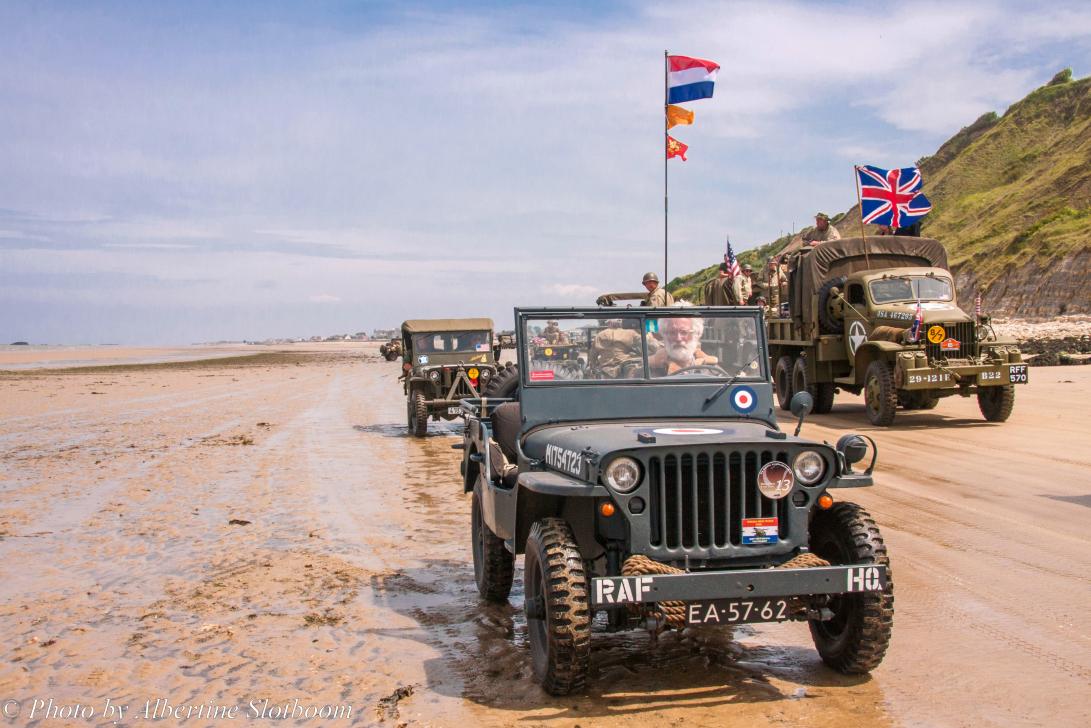
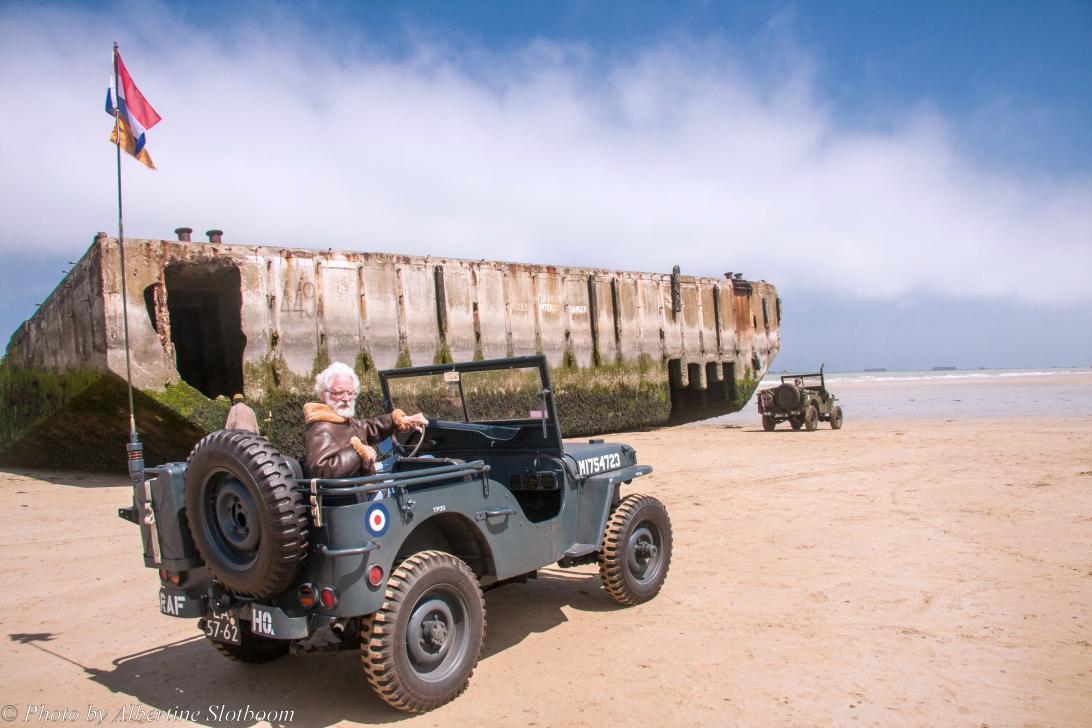
During the 65th anniversary of D-Day in Normandy 2009, we participated in a memorial tour. In our own original WWII Ford Jeep, together with a group of WWII army vehicles from England, we drove along Gold Beach at Arromanches-les-Bains. Immediately after D-Day, the Allies built two artificial harbours, known as Mulberry Harbours. Mulberry A was built on Omaha Beach and Mulberry B on Gold Beach in Arromanches-les-Bains. The remains of these harbours are still visible today.

The 65th anniversary of D-Day: Driving in our own 1942 Ford GPW Jeep along Gold Beach at Arromanches-les-Bains with the remains of Mulberry B in the background. The D-Day Museum in Arromanches is directly opposite the beach. This imposing museum is largely dedicated to the history and the construction of the temporary, portable Mulberry Harbours. The museum also displays the dummy paratrooper Rupert, especially made for the widely known film 'The Longest Day'.

The 65th anniversary of D-Day, Normandy 2009: Our own RAF-blue 1942 Ford Jeep on Gold Beach at Arromanches-les-Bains, France. We made a memorial trip in this Jeep along the D-Day landing beaches in Normandy, code-named by the Allies Utah, Omaha, Gold, Juno, and Sword. Along the coast of Normandy, numerous museums and memorials are dedicated to the D-Day landings and the Battle of Normandy during WWII (Second World War).

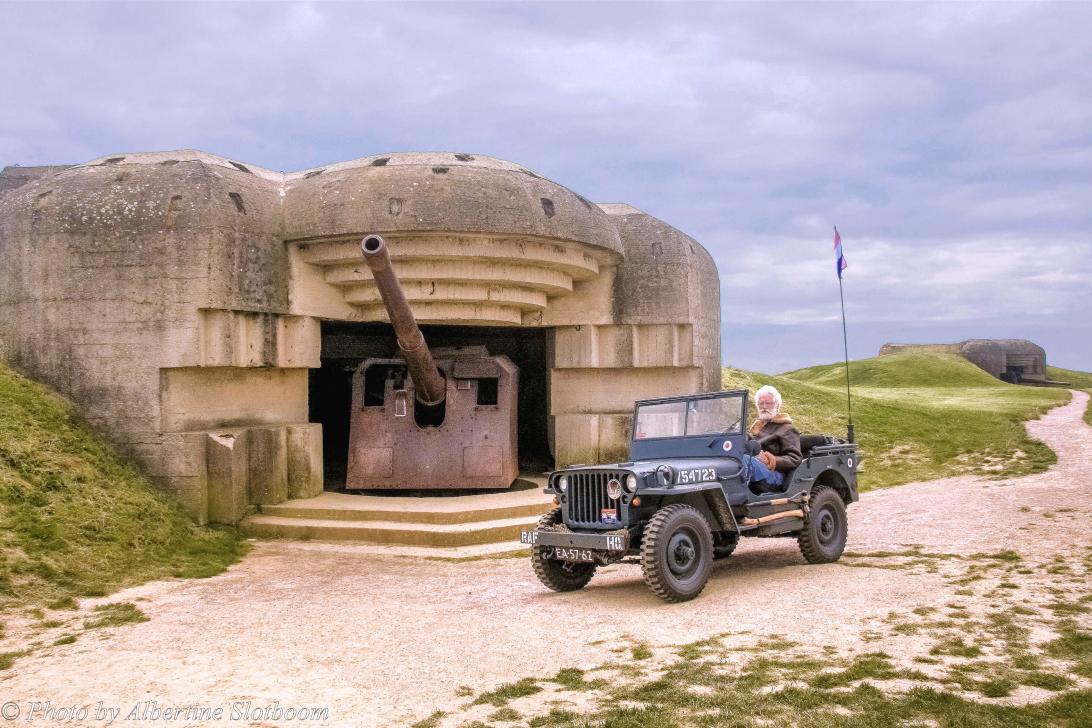
The 65th anniversary of D-Day: Our own Ford GPW Jeep in front of the German coastal defence battery at Longues-sur-Mer. The artillery battery was built during World War II and was part of the Atlantic Wall along the Normandy coast. This battery consisted of four casemates, each housing a 150mm navy gun. This impressive battery (Widerstandnest 48) is located between the D-Day landing beaches Omaha and Gold, about one kilometre north of the village of Longues-sur-Mer.

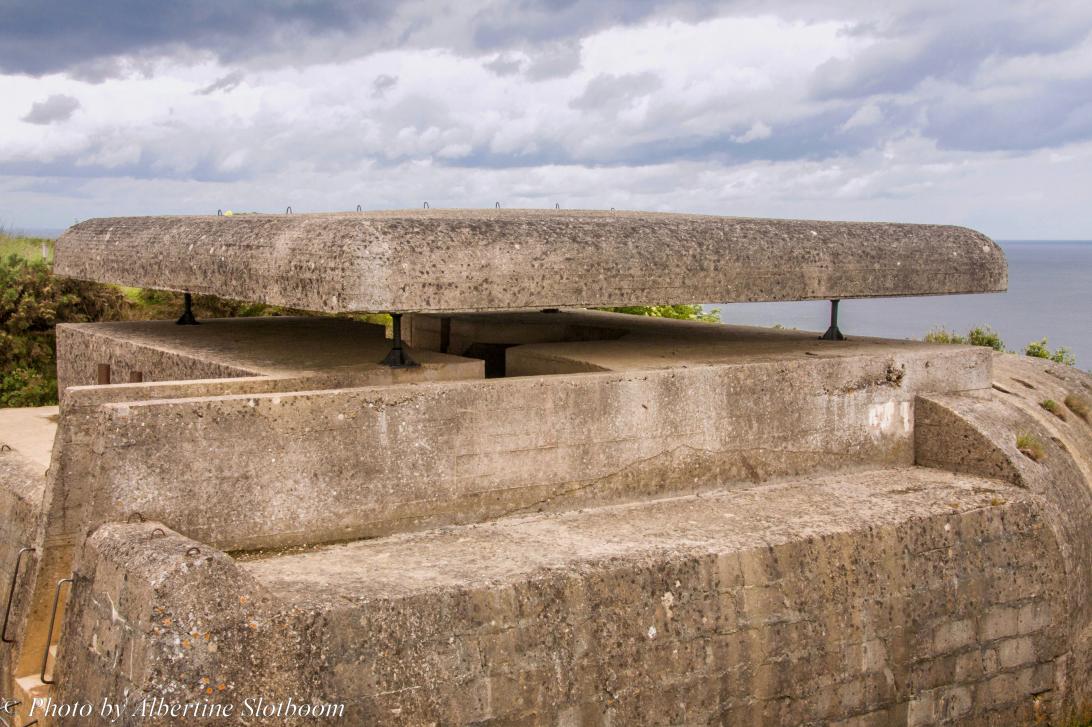
The 65th anniversary of D-Day: A German artillery observation bunker at Longues-sur-Mer, situated between Gold Beach and Omaha Beach. The bunker is located on a 60-metre-high cliff overlooking the sea, the bunker was part of the coastal defence Battery at Longues-sur-Mer, for the Germans one of the best located batteries in Normandy, because it was positioned directly opposite the landing beaches. The battery was built in 1944 and completed just before D-Day.

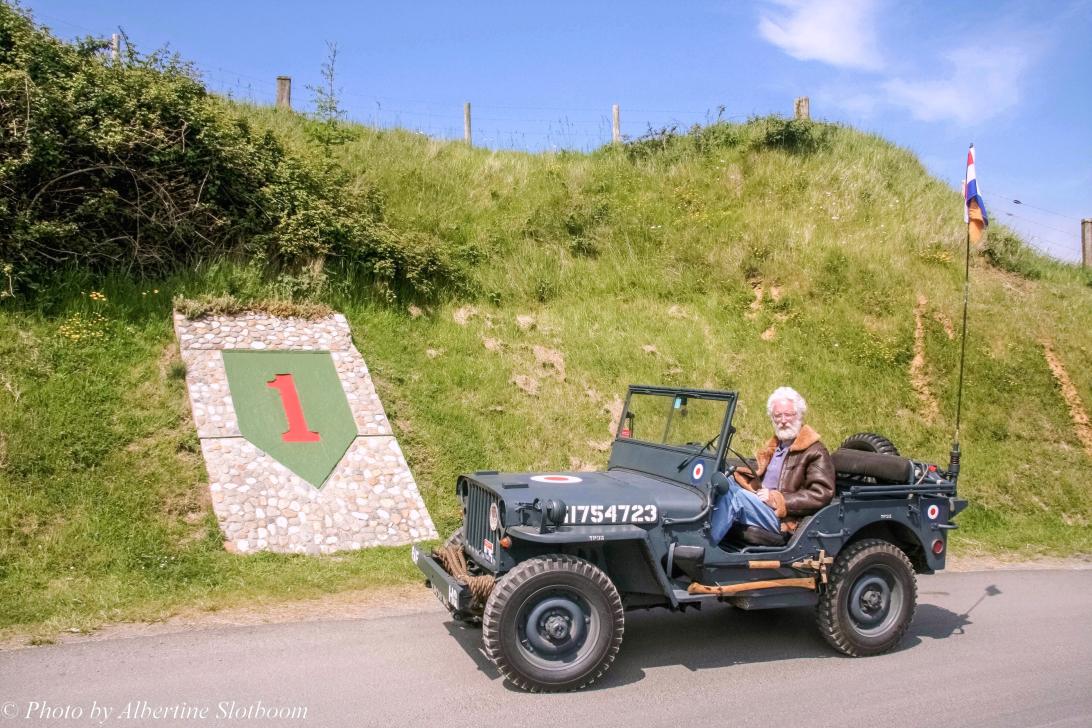
The 65th anniversary of D-Day, Normandy 2009: Driving our own RAF blue Ford GPW Jeep along the Big Red One Route. The Big Red One is the legendary First Infantry Division of the U.S.Army. On the morning of D-Day, 6 June 1944, the Big Red One landed on Omaha Beach, the most dangerous and difficult sector of the Normandy landing zones. On Omaha Beach, over 2,400 U.S. Army soldiers were killed, wounded or went missing on that single day in June.

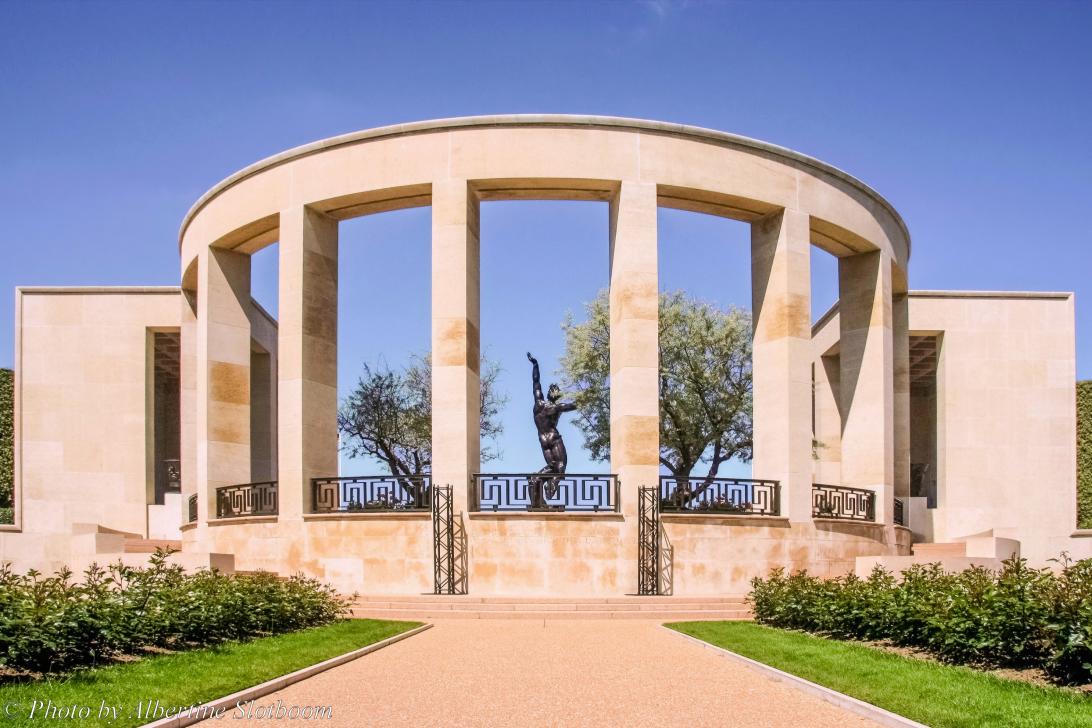
The 65th anniversary of D-Day, Normandy 2009: The Normandy American Cemetery and Memorial at Omaha Beach in Colleville-sur-Mer. The war cemetery contains the graves of 9,387 American soldiers who lost their lives on D-Day and during the Battle of Normandy. The 'Garden of the Missing' is dedicated to the 1,557 unidentified or missing soldiers, whose names are inscribed on a semicircular wall. Viewed through the columns of the wall, the seven-metre-high statue is entitled 'The Spirit of American Youth Rising from the Waves'.

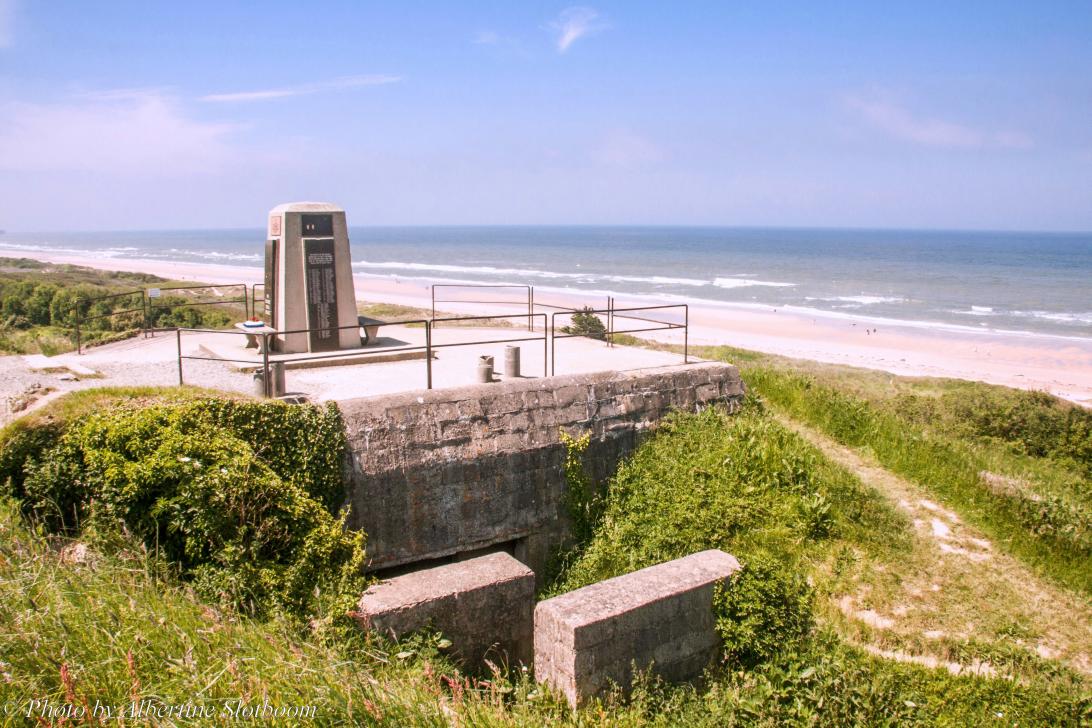
The 65th anniversary of D-Day, Normandy 2009: The memorial of the U.S. 5th Engineer Special Brigade at Omaha Beach in Colleville-sur-Mer, with the English Channel in the background. The memorial was built on a German WWII bunker (Widerstandsnest 62) and commemorates the soldiers of this brigade who were killed during the landings on Omaha Beach on D-Day, 6 June 1944. During WWII, Omaha was the Allied code-name for a 10-kilometre-long landing zone on the coast of Normandy.

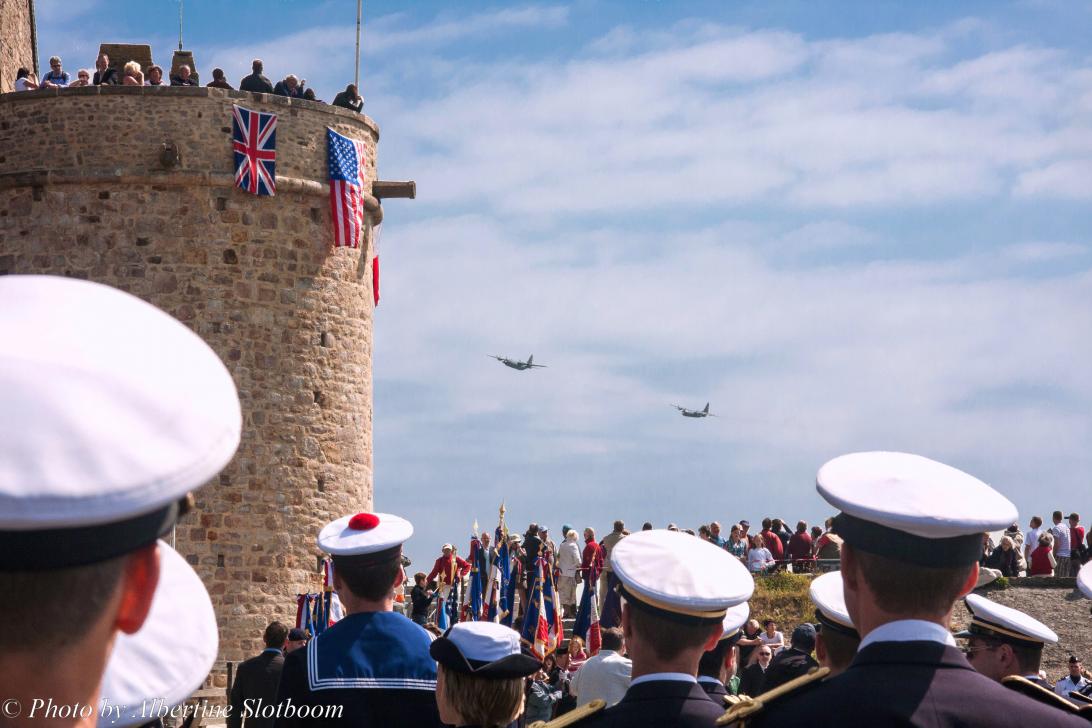
Normandy 2009: The 65th anniversary of the D-Day landings at Mont-Saint-Michel, a small rocky island in front off the coast of Normandy. During WWII, Mont-Saint-Michel was occupied by Nazi Germany. During the four years of occupation, 325,000 German soldiers visited the tiny island. It was liberated by Allied forces in August 1944. Each year in June, the French hold an impressive D-Day commemoration and celebration at this small tidal island, next to the fortified walls of the impressive abbey.

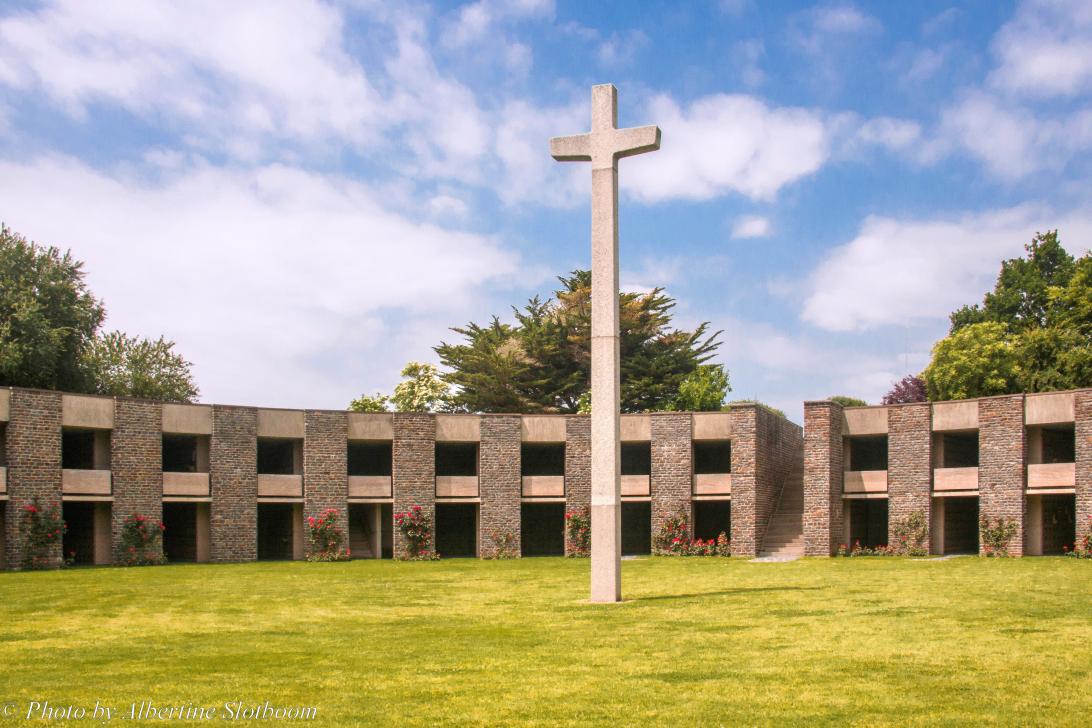
The 65th anniversary of D-Day: The German War Cemetery at Mont-de-Huisnes in Normandy is situated close to Mont-Saint-Michel. The cemetery is actually a large mausoleum; the circular building comprises two storeys, each floor contains 34 crypt chambers. The building surrounds a lawn with a large cross in its centre. The cemetery was inaugurated in 1963. The remains of about 12,000 fallen German soldiers were reinterred here from other burial sites in France.

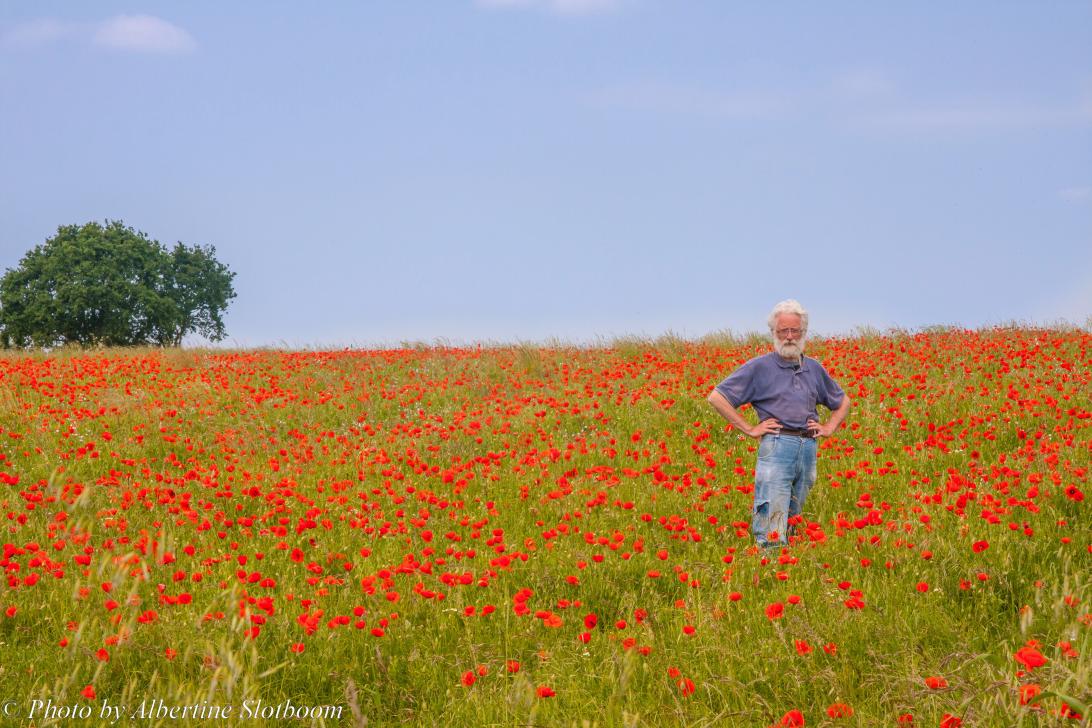
Classic Car Road Trip Normandy: Poppy fields near Saint-Laurent-sur-Mer. The poppy is one of the only plants to grow on the disturbed earth of battlefields. This flower became a memorial symbol to those who died in WWI, WWII and later wars, thanks to the moving poem 'In Flanders Fields' by the poet and soldier John McCrae, who wrote it in WWI: 'In Flanders Fields the poppies blow between the crosses row on row...' It became one of the most famous anti-war poems worldwide. John McCrae died during WWI.

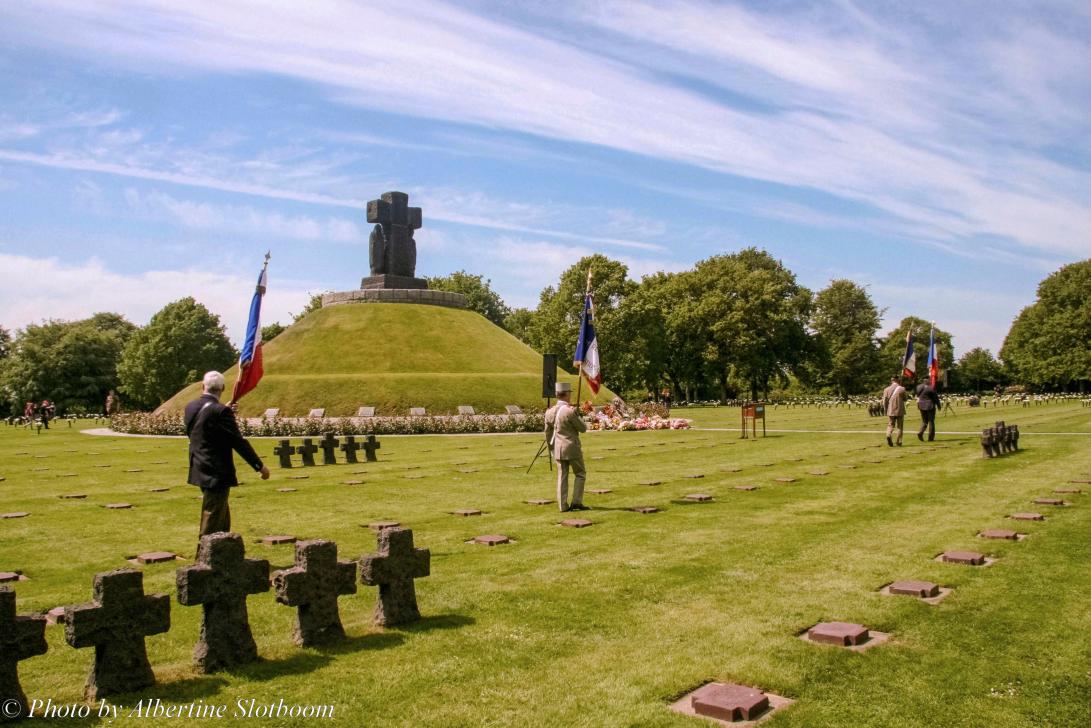
The 65th anniversary of D-Day, Normandy 2009: La Cambe German Military Cemetery is situated near Bayeux. There are 21,222 burials at La Cambe. The enormous burial mound marks the last resting place of 207 unknown and 88 identified soldiers. The other graves are marked by ground plaques. The crosses do not mark graves. Most of the soldiers buried at La Cambe fell between 6 June and 20 August 1944. In total, over 80,000 fallen German soldiers are buried in Normandy.

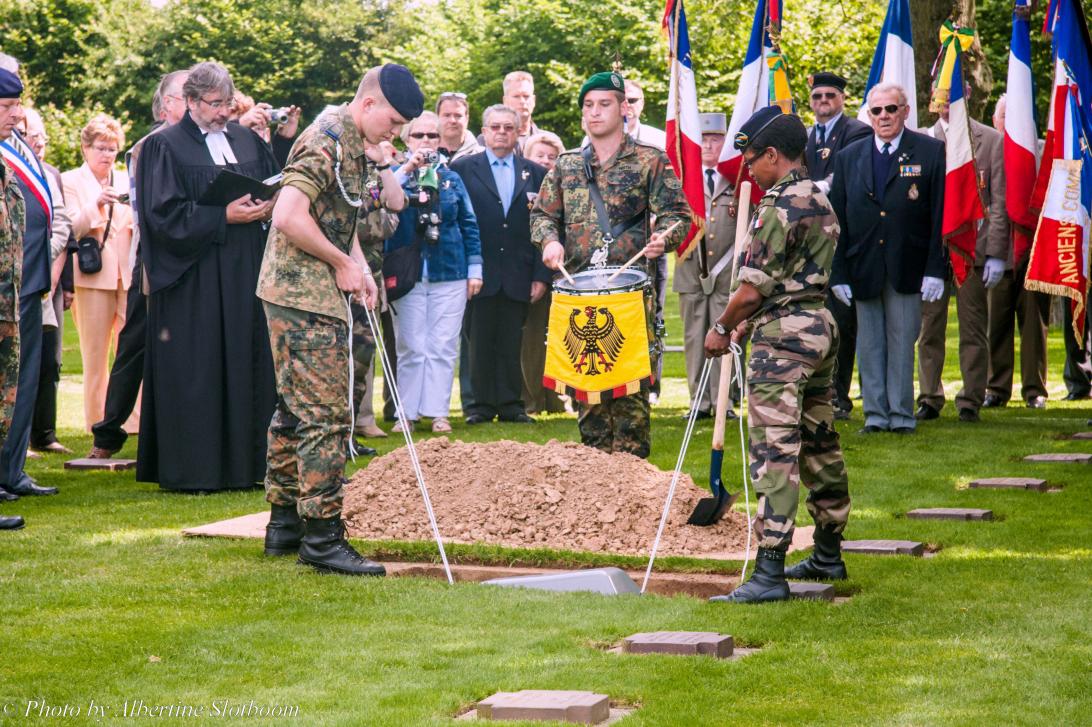
The 65th anniversary of D-Day, Normandy 2009: La Cambe German Military Cemetery. June 2009, the burial of an unidentified German soldier of WWII took place. The coffin with his mortal remains is lowered into the ground. This fallen German soldier was discovered at the German battery at Grandcamp-Maisy in 2009, 65 years after D-Day and the Battle of Normandy. This soldier was likely killed during the attack by the U.S. Army Rangers on Grandcamp-Maisy on 9 June 1944. The Maisy Battery was a vital part of the Atlantic Wall.

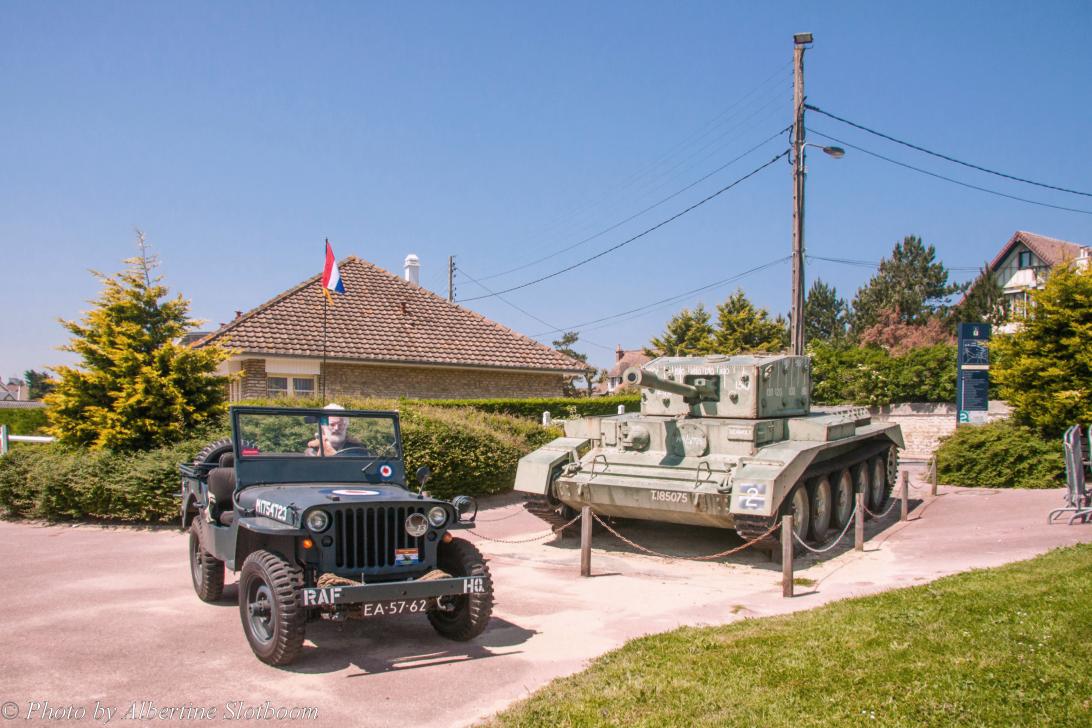
The 65th anniversary of D-Day, Normandy 2009: Our own Ford GPW Jeep next to a Centaur IV tank in the village of Hermanville-sur-Mer near Sword Beach. Sword was the Allied code name for one of the five landing beaches of D-Day, 6 June 1944, the first day of Operation Overlord. Sword was the easternmost landing area of the Allied Invasion of Normandy during WWII. This beach was the landing zone for the 3rd British Infantry Division, along with British and French Commandos.

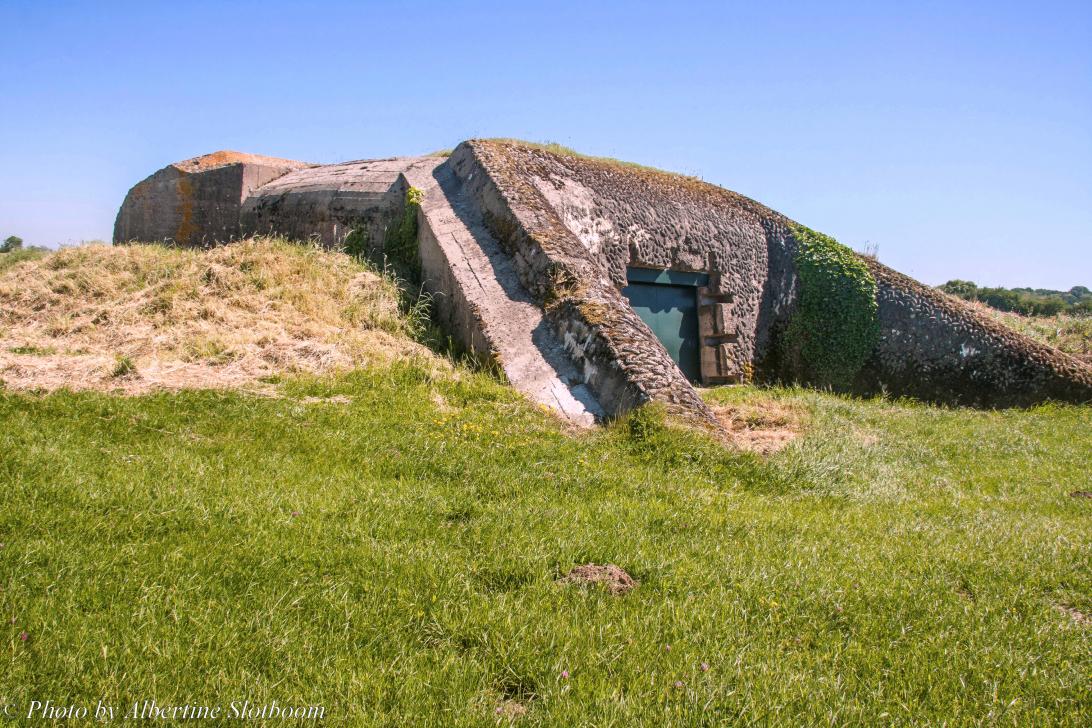
Normandy 2009, the 65th anniversary of D-Day: One of the casemates of the German Gun Battery at Merville, situated near Sword Beach on the Normandy coast. This imposing battery is now a museum and a memorial dedicated to the Battle of Merville Gun Battery on D-Day. A bronze plaque on the museum grounds reads: 'The remains of British and German soldiers still lie here from June 1944. Please keep that thought in mind and tread respectfully as you walk over this hallowed ground'.

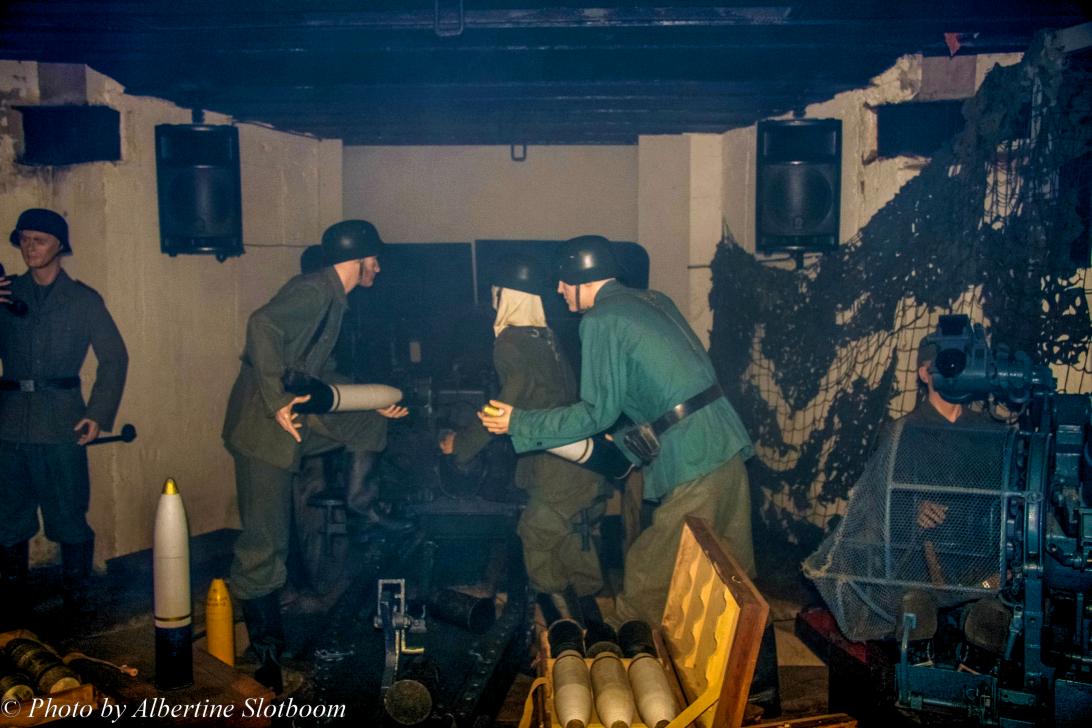
The 65th anniversary of D-Day: Inside a casemate of the Musée de la Batterie de Merville. This museum is housed within the huge, still existing German Gun Battery at Merville. This former stronghold was part of the Atlantic Wall, overlooking Sword Beach. It is dedicated to the assault on the battery by British paratroopers. In the early hours of D-Day, 150 paratroopers succeeded in capturing the battery, suffering heavy casualties; 65 British soldiers were killed or wounded, while on the German side 22 soldiers were killed.

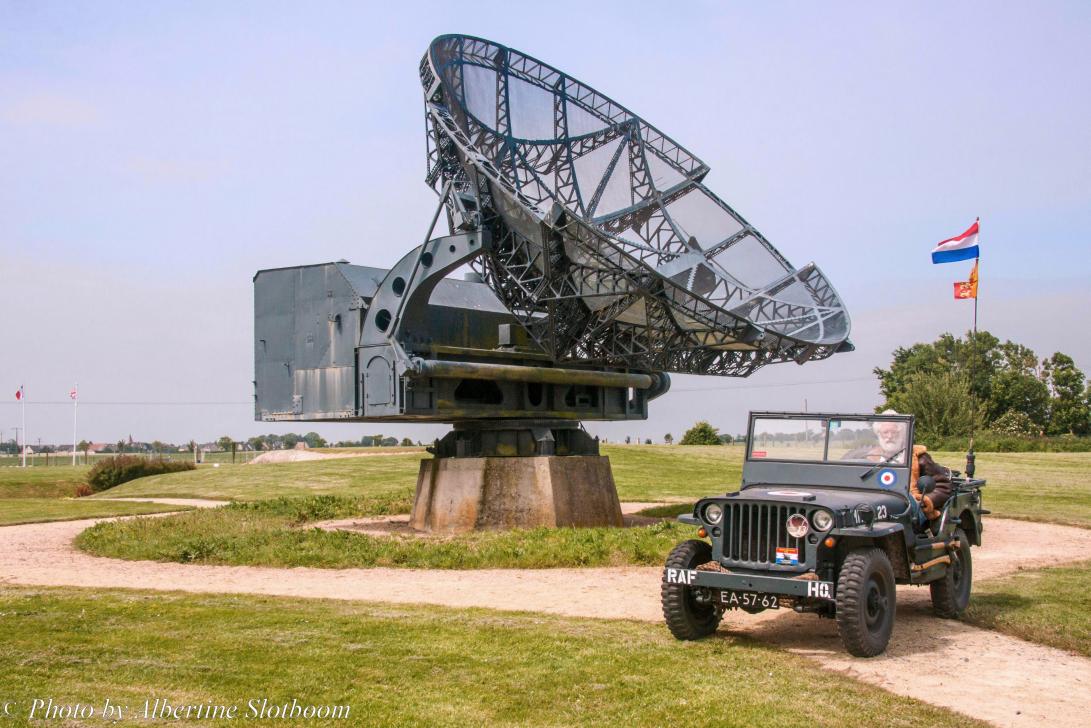
Classic Car Road Trip Normandy 2009: Our own Ford GPW Jeep next to the 'Würzburg-Riese' on the grounds of the Radar Station Distelfink at Douvres-la-Délivrande. The 'Würzburg-Riese' was the German codename for this type of radar installations. During WWII, 'Distelfink'was the most important German radar station in Normandy. The radar station was part of the Atlantic Wall along the Normandy Coast. This historic site became a museum in 1992. The Germans gave all their radar stations a code name starting with the letter of the location where the installation was situated, for example: Douvres-la-Délivrande – Distelfink.

Classic Car Road Trip Normandië, Normandy 2009: This house in the village of Sainte-Honorine-des-Pertes looks out over Omaha Beach. The house was used for an iconic scene in the 1962 film 'The Longest Day': during the D-Day landings, the resident of the house – an older man – enthusiastically waves the French national flag from the upstairs window, even when heavy bombardment from the U.S. Navy damages his house. The coastal village of Sainte-Honorine-des-Pertes was liberated one day after D-Day.

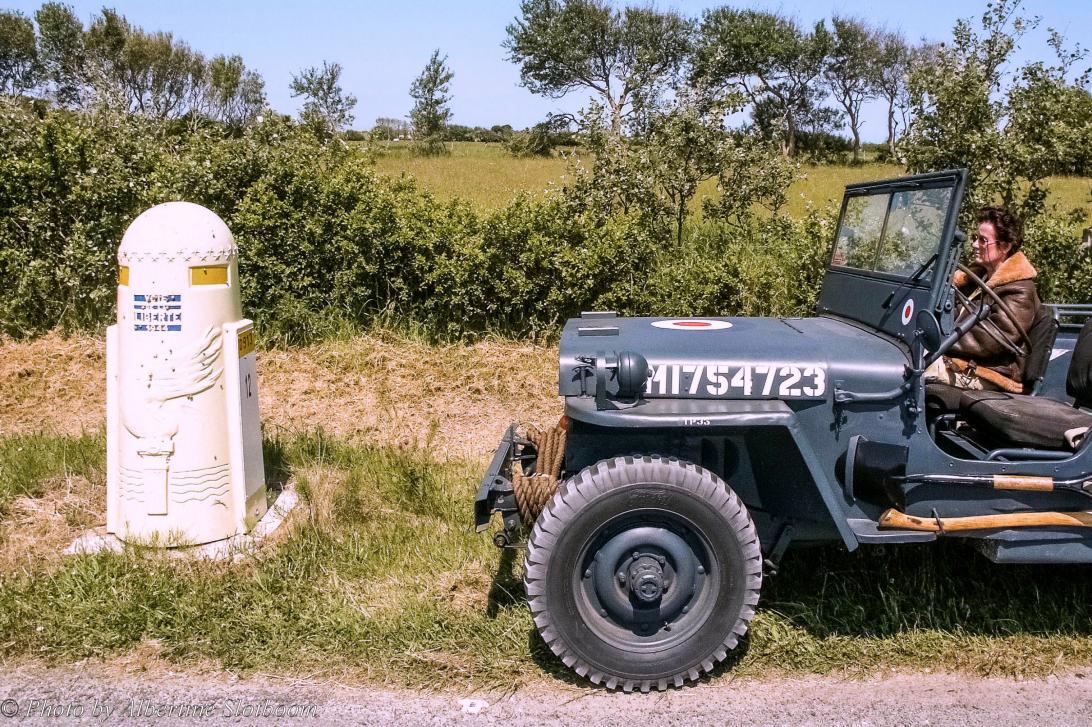
Classic Car Road Trip Normandy 2009: Our RAF blue Ford Jeep next to a milestone along the Liberty Road (French: La Voie de la Liberté). In our own Jeep, we followed the road along the coast of Normandy. The Liberty Road is a commemorative route that connects Utah Beach to the Mardasson Monument in Bastogne. It is 1,147 kilometres long and marks the main route taken by the U.S. Third Army under the command of General George Patton in 1944. The entire route is marked by 1,147 milestones (a milestone in French: borne).